 Hammer & Hoe
Composting at Home: A Simple Guide That Actually Works
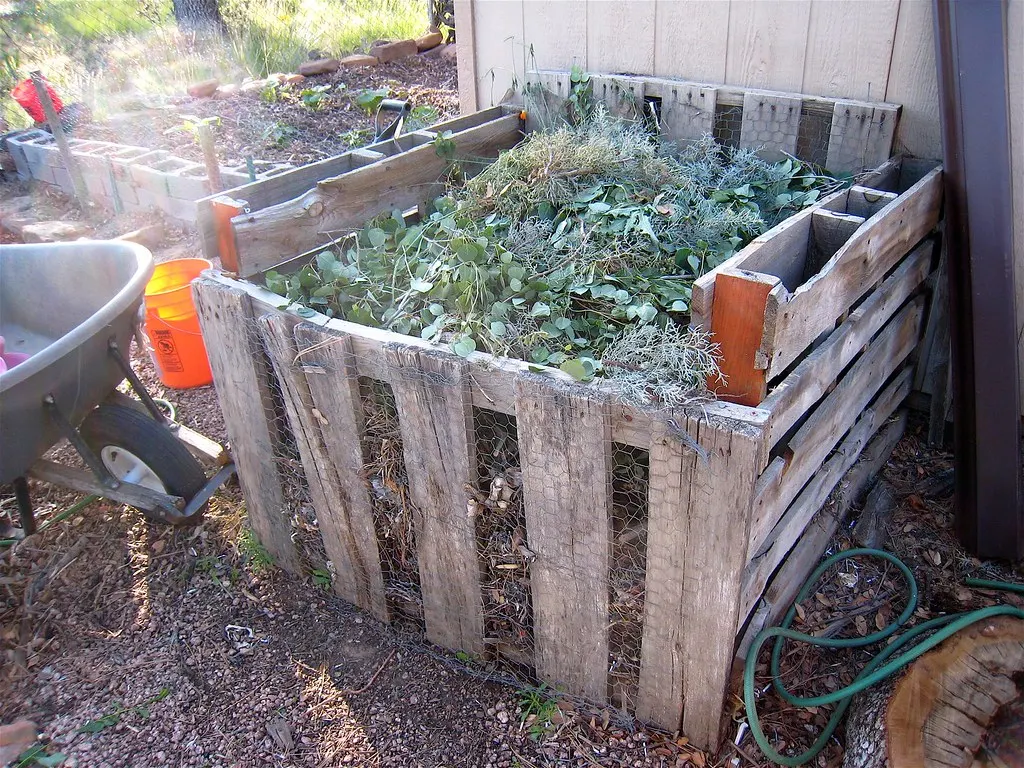
Composting turns kitchen scraps and yard waste into the best soil amendment your garden can get, for free. Done right, it doesn't smell, it doesn't attract pests and it takes only a few minutes a week.
Browns and greens
A compost pile needs two kinds of material. Greens are rich in nitrogen: fruit and vegetable scraps, coffee grounds, tea leaves and fresh grass clippings. Browns are rich in carbon: dry leaves, straw, shredded cardboard, plain paper and small twigs. A good rule of thumb is about two to three parts browns to one part greens by volume. Keep a bag of dry leaves next to the bin so you can cover every addition of kitchen scraps.
What not to compost
- Meat, fish, bones, dairy and oily foods, which attract animals and smell.
- Dog and cat waste, which can carry pathogens.
- Diseased plants and weeds that have gone to seed.
- Glossy or coated paper, and wood treated with chemicals.
Keep it moist and airy
The pile should feel like a wrung-out sponge: damp, not soggy. Turn it with a garden fork every week or two to add oxygen; the more often you turn it, the faster it breaks down. Chopping materials into smaller pieces also speeds things up.
Troubleshooting
| Problem | Likely cause | Fix |
|---|---|---|
| Smells like ammonia or rot | Too many greens or too wet | Add browns and turn the pile |
| Nothing is happening | Too dry or too many browns | Add water and fresh greens |
| Fruit flies | Exposed food scraps | Bury scraps and cover with browns |
| Animals digging | Meat or dairy in the pile | Remove them; use a closed bin |
When is it ready?
Finished compost is dark, crumbly and smells like earth, and you can no longer recognize the original materials. An actively turned pile can be ready in two to four months; a pile left alone may take a year. Spread 1 to 3 inches on garden beds, mix it into planting holes, or top-dress your lawn. Our soil calculator tells you how much you need.
Prices are typical U.S. ranges and vary by region, home and contractor. Always get several local quotes and follow local building codes; hire a licensed professional for electrical, gas and structural work.
Keep reading
How to Get a Thicker, Greener Lawn: A Season-by-Season Plan
Overseeding, mowing height, watering and fertilizer timing for cool-season and warm-season grasses, so your lawn fills in and crowds out weeds.
Raised Garden Beds for Beginners: Size, Soil and What to Plant
How to choose the right size, material and location for raised beds, mix good soil, and plan your first vegetable garden for a big harvest.
How to Grow Tomatoes: From Planting to a Big Summer Harvest
Sun, soil, spacing, watering and support: a practical guide to growing healthy tomato plants and avoiding common problems like blossom end rot and split fruit.