 Hammer & Hoe
When to Prune Trees and Shrubs (and How to Make the Right Cut)

The most common pruning mistake isn't a bad cut; it's bad timing. Prune a lilac in fall and you'll cut off every flower bud for next spring. The good news is that one simple rule covers most shrubs.
The basic rule: prune after it blooms
- Spring-flowering shrubs (lilac, forsythia, azalea, rhododendron) bloom on last year's growth. Prune them right after they finish flowering.
- Summer-flowering shrubs (butterfly bush, panicle and smooth hydrangeas, rose of Sharon) bloom on new growth. Prune them in late winter or early spring, before new growth starts.
- Bigleaf hydrangeas (the blue or pink mopheads) mostly bloom on old wood. Limit pruning to removing spent flowers and dead stems in spring.
Trees
Most deciduous trees are best pruned in late winter while dormant: you can see the branch structure, wounds close quickly when growth resumes, and insects and diseases are less active. In regions with oak wilt, avoid pruning oaks in spring and early summer. Dead, broken or diseased branches can be removed at any time of year.
Never remove more than about 25% of a tree's canopy in a single year, and never "top" a tree by cutting the main branches back to stubs. Topping causes weak, crowded regrowth and can kill the tree.
How to make the right cut
- Find the branch collar, the slightly swollen ring where a branch joins the trunk.
- Cut just outside the collar, without leaving a stub and without cutting into the collar itself.
- For branches thicker than about 2 inches, use the three-cut method: an undercut a foot out from the trunk, a top cut just beyond it to drop the weight, then a final cut at the collar. This prevents the bark from tearing.
- On shrubs, cut about ¼ inch above an outward-facing bud so new growth spreads outward.
Skip wound paint or sealer; research shows trees seal wounds better on their own.
Tools and safety
Use bypass pruners for stems up to about ¾ inch, loppers up to about 1½ inches and a pruning saw for anything larger. Keep blades sharp and clean, and wipe them with rubbing alcohol between plants if you're removing diseased wood. Any branch you can't reach from the ground, or any work near power lines, is a job for a certified arborist. Turn the clippings into garden gold with our composting guide.
Prices are typical U.S. ranges and vary by region, home and contractor. Always get several local quotes and follow local building codes; hire a licensed professional for electrical, gas and structural work.
Keep reading
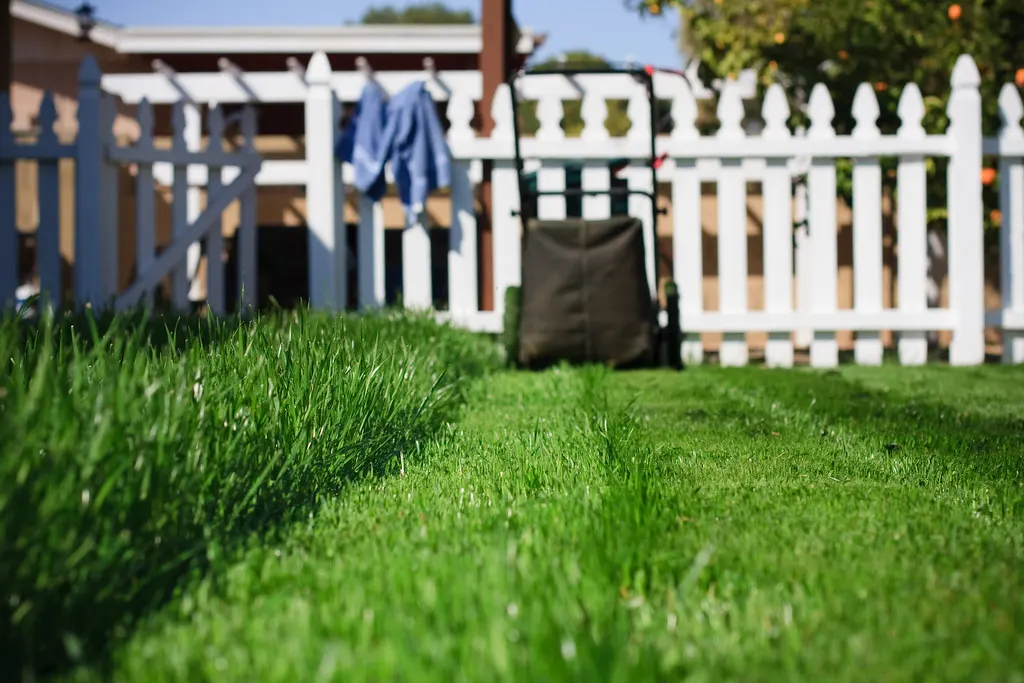
How to Get a Thicker, Greener Lawn: A Season-by-Season Plan
Overseeding, mowing height, watering and fertilizer timing for cool-season and warm-season grasses, so your lawn fills in and crowds out weeds.
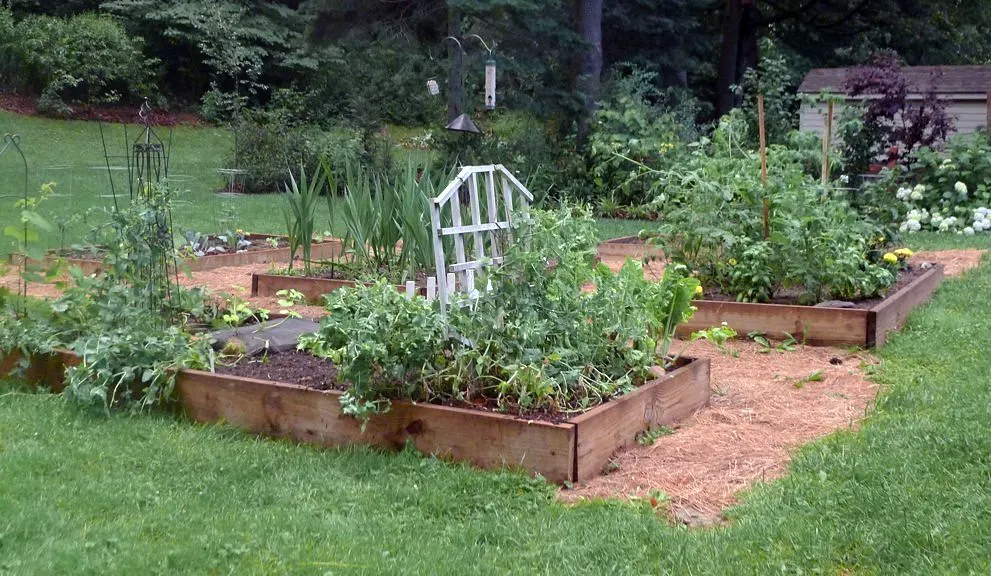
Raised Garden Beds for Beginners: Size, Soil and What to Plant
How to choose the right size, material and location for raised beds, mix good soil, and plan your first vegetable garden for a big harvest.
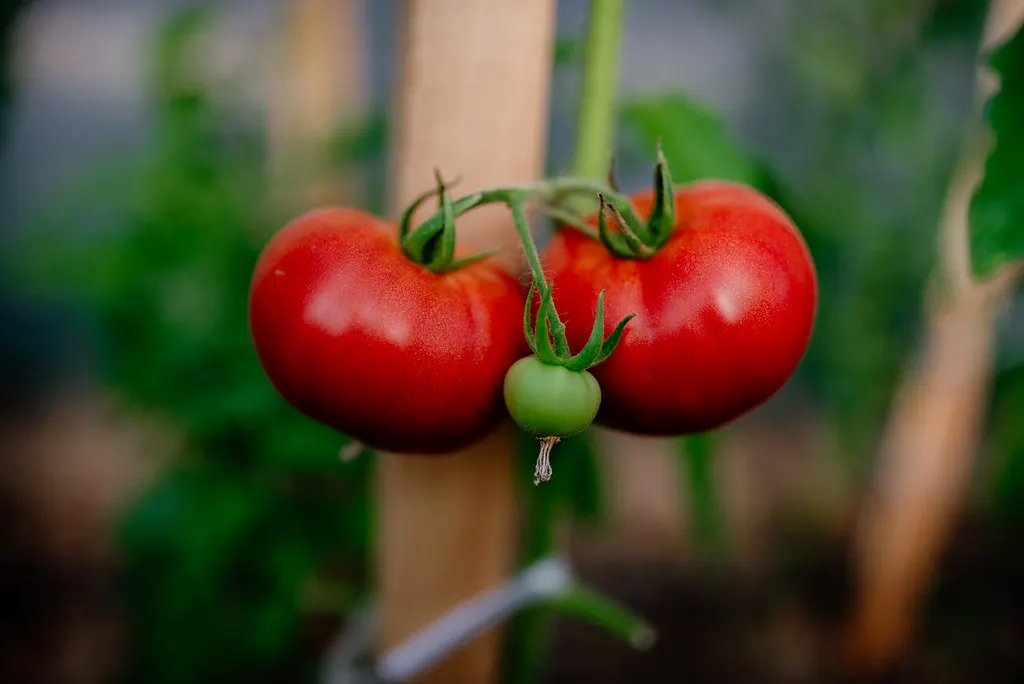
How to Grow Tomatoes: From Planting to a Big Summer Harvest
Sun, soil, spacing, watering and support: a practical guide to growing healthy tomato plants and avoiding common problems like blossom end rot and split fruit.