 Hammer & Hoe
How to Paint a Room Like a Pro: Prep, Tools and Technique
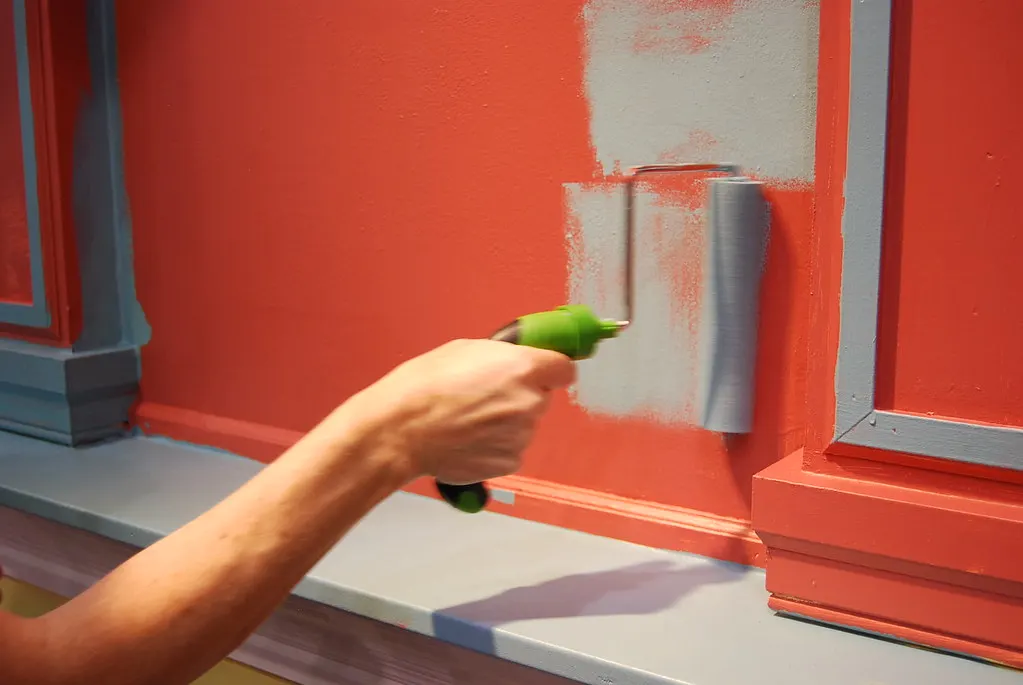
Painting a room is one of the cheapest ways to transform a home, and one of the easiest projects to do yourself. The difference between a professional-looking job and a sloppy one is almost entirely in the preparation.
How much paint do you need?
One gallon typically covers about 350 to 400 square feet per coat. Measure the perimeter of the room and multiply by the ceiling height, then subtract about 20 square feet per door and 15 per window. A 12×14-foot room with 8-foot ceilings has about 416 square feet of wall; after one door and two windows, about 366. With two coats, that's roughly two gallons. Buy all the paint for a room at once, from the same batch if possible, so the color matches.
Choose the right finish
- Flat or matte: ceilings and low-traffic rooms. Hides imperfections but is harder to clean.
- Eggshell or satin: most walls, including living rooms, bedrooms and hallways. Wipeable with a soft sheen.
- Semi-gloss: trim, doors, kitchens and bathrooms. Durable and easy to scrub.
Prep is 80% of the job
- Move furniture to the middle of the room and cover it and the floor with drop cloths.
- Remove outlet covers and switch plates.
- Wash greasy or dirty walls with a mild detergent and let them dry.
- Fill holes and cracks with spackle, let it dry, and sand smooth.
- Spot-prime patches and stains so they don't show through.
- Apply painter's tape along trim and ceilings, pressing the edge down firmly.
Safety note: if your home was built before 1978, the old paint may contain lead. Don't sand or scrape it until it has been tested; follow the EPA's lead-safe practices or hire a certified contractor.
Painting in the right order
Work from the top down: ceiling first, then walls, then trim. On each wall, "cut in" a 2- to 3-inch band with a brush along the edges, then roll the open areas while the cut-in paint is still wet so the two blend. Roll in overlapping W or M shapes in sections of about 3 by 3 feet, then smooth with light, straight strokes. Keep a wet edge, and don't stop halfway across a wall.
Finishing up
Let the first coat dry as the label recommends before the second. Remove tape while the final coat is still slightly tacky, pulling it back at an angle, for a crisp line. Store leftover paint, tightly sealed and labeled with the room name, for touch-ups. Planning a bigger update? See what a full kitchen remodel costs.
Prices are typical U.S. ranges and vary by region, home and contractor. Always get several local quotes and follow local building codes; hire a licensed professional for electrical, gas and structural work.
Keep reading
Roof Replacement Cost: What You'll Really Pay and How to Avoid Overpaying
Typical costs for asphalt, metal and tile roofs, what drives the price per square, when to repair instead of replace, and how to vet a roofing contractor.
Heat Pump vs. Furnace and AC: Which Is Right for Your Home?
How heat pumps compare with a gas furnace plus central air on upfront cost, operating cost and comfort, and how climate decides which system makes sense.
Tank vs. Tankless Water Heater: Costs, Pros and Cons
Compare tank and tankless water heaters on installed cost, lifespan, energy use and hot water supply so you can choose the right replacement.