 Hammer & Hoe
Houseplant Care for Beginners: Light, Water and Easy Plants
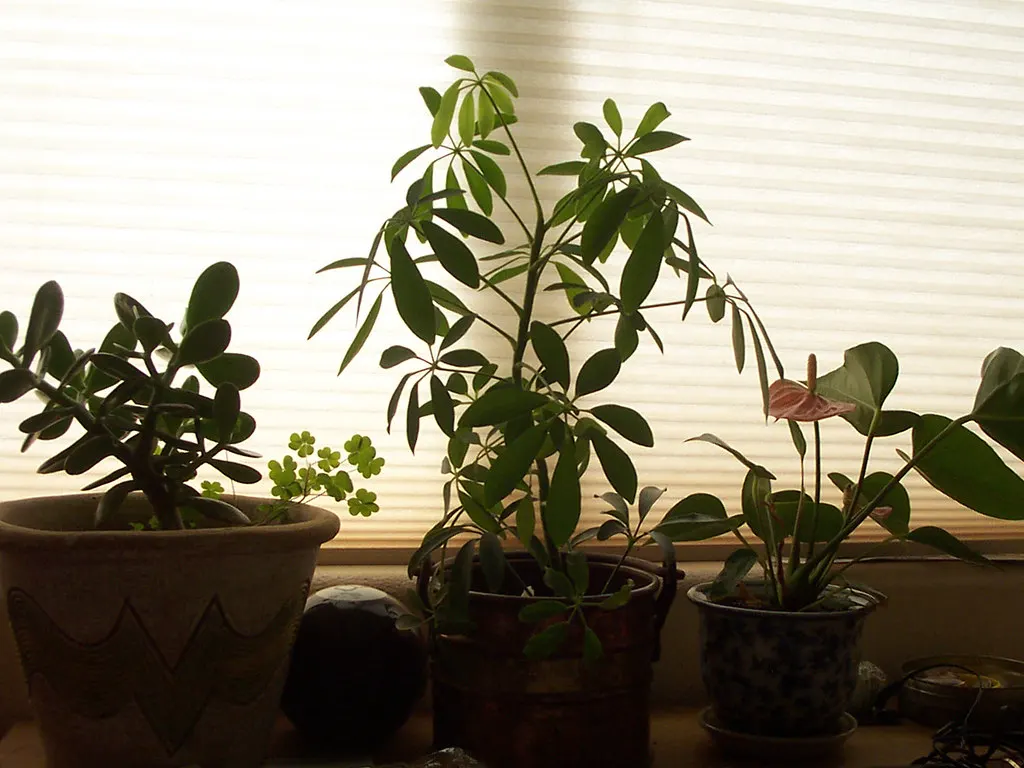
Most houseplants that die aren't killed by neglect; they're killed by too much love, usually in the form of water. Getting light and watering right solves nine out of ten houseplant problems.
Understand your light
- Bright direct light: a south- or west-facing window with sun hitting the leaves. Good for cacti, succulents and many herbs.
- Bright indirect light: near a sunny window but out of the direct rays, or right next to an east-facing window. This is what most tropical houseplants want.
- Low light: a north-facing room or several feet from a window. Only a few plants tolerate it; none truly thrive in it.
A simple test: at midday, hold your hand a foot above where the plant will sit. A sharp shadow means bright light; a faint, fuzzy shadow means low light.
Water by touch, not by schedule
Push a finger into the soil. For most houseplants, water when the top 1 to 2 inches are dry; succulents and snake plants should dry out almost completely. Water thoroughly until it drains out the bottom, then empty the saucer. Always use pots with drainage holes: standing water at the bottom of a pot rots roots. Plants need much less water in winter, when growth slows.
Easy plants to start with
| Plant | Light | Safe for cats and dogs? |
|---|---|---|
| Spider plant | Bright indirect to medium | Yes |
| Cast iron plant | Low to medium | Yes |
| Parlor palm | Medium to bright indirect | Yes |
| Pothos | Low to bright indirect | No, toxic if chewed |
| Snake plant | Low to bright | No, toxic if chewed |
| ZZ plant | Low to bright indirect | No, toxic if chewed |
If you have pets, check the ASPCA's toxic and non-toxic plant list before buying.
Feeding and repotting
Feed with a balanced liquid fertilizer at half strength every few weeks in spring and summer, and stop in fall and winter. Repot when roots circle the bottom of the pot or grow out of the drainage holes, moving up only 1 to 2 inches in pot diameter. A pot that's too large holds extra wet soil and invites root rot.
Prices are typical U.S. ranges and vary by region, home and contractor. Always get several local quotes and follow local building codes; hire a licensed professional for electrical, gas and structural work.
Keep reading
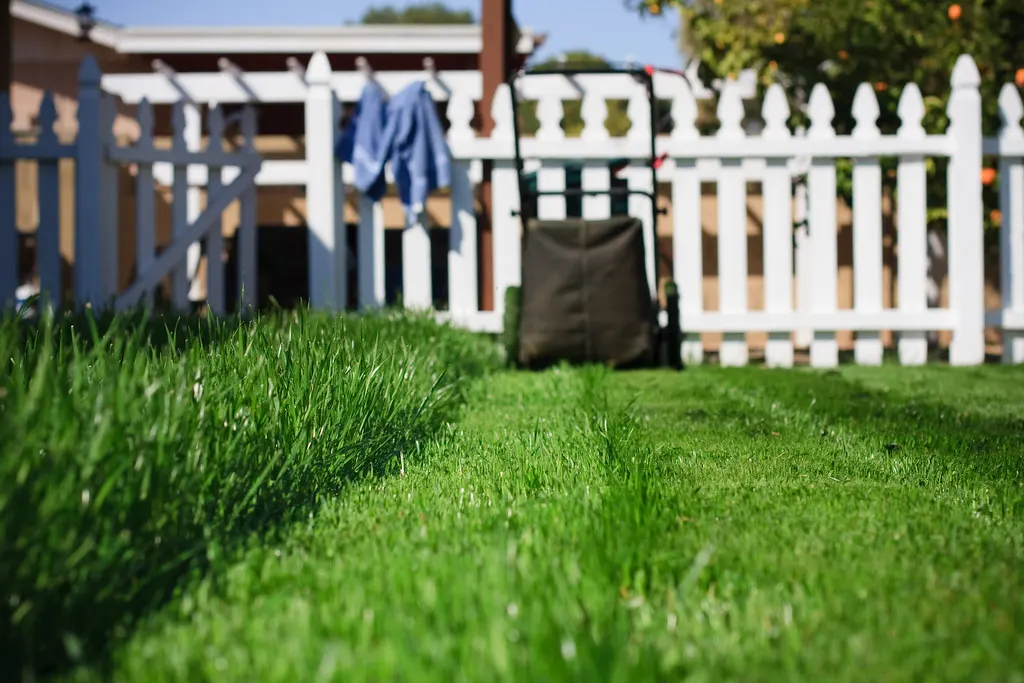
How to Get a Thicker, Greener Lawn: A Season-by-Season Plan
Overseeding, mowing height, watering and fertilizer timing for cool-season and warm-season grasses, so your lawn fills in and crowds out weeds.
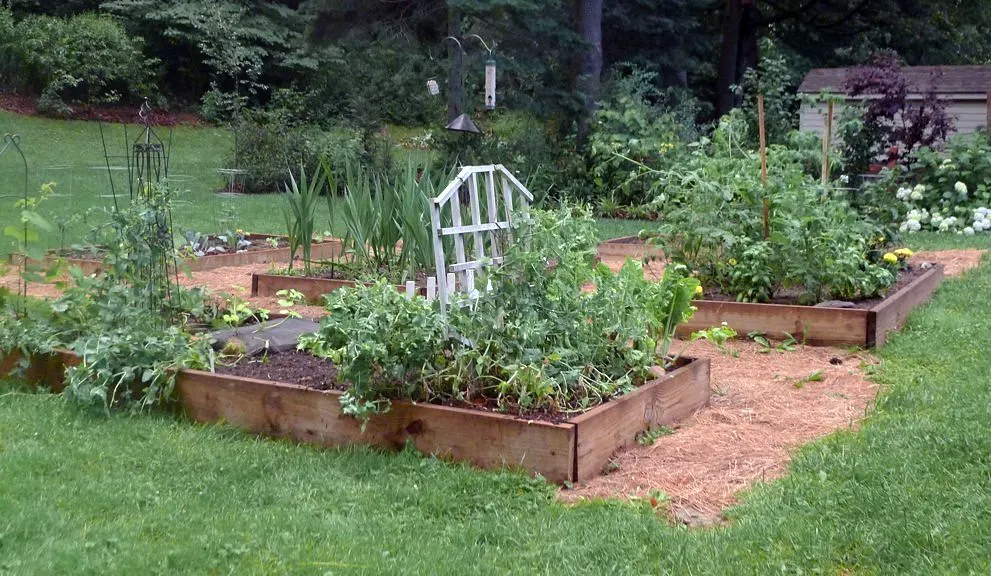
Raised Garden Beds for Beginners: Size, Soil and What to Plant
How to choose the right size, material and location for raised beds, mix good soil, and plan your first vegetable garden for a big harvest.
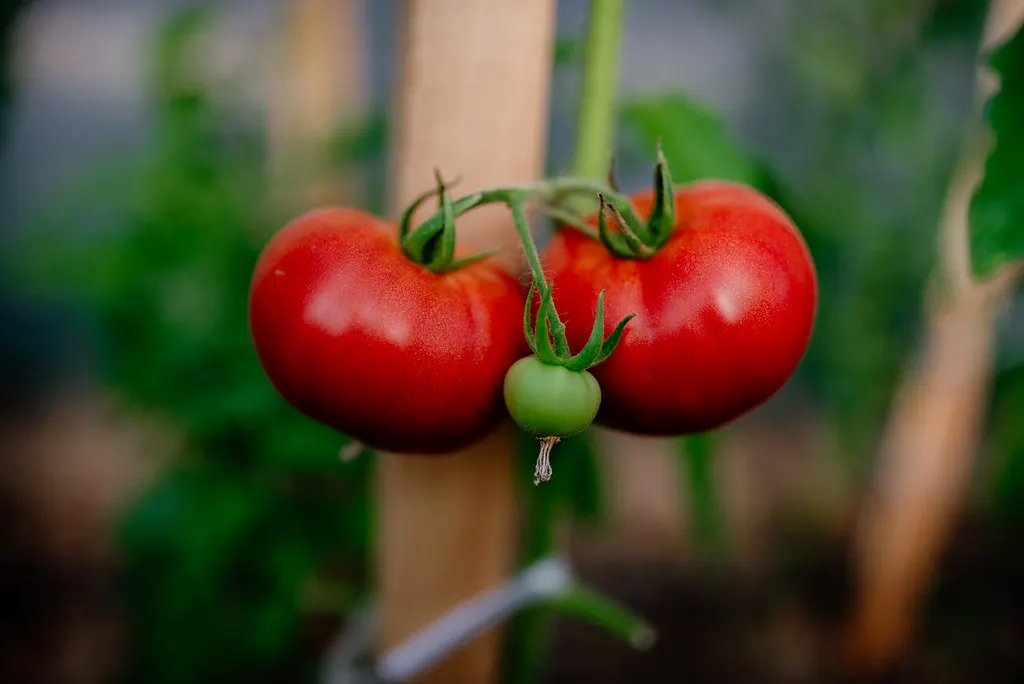
How to Grow Tomatoes: From Planting to a Big Summer Harvest
Sun, soil, spacing, watering and support: a practical guide to growing healthy tomato plants and avoiding common problems like blossom end rot and split fruit.