 Hammer & Hoe
Heat Pump vs. Furnace and AC: Which Is Right for Your Home?
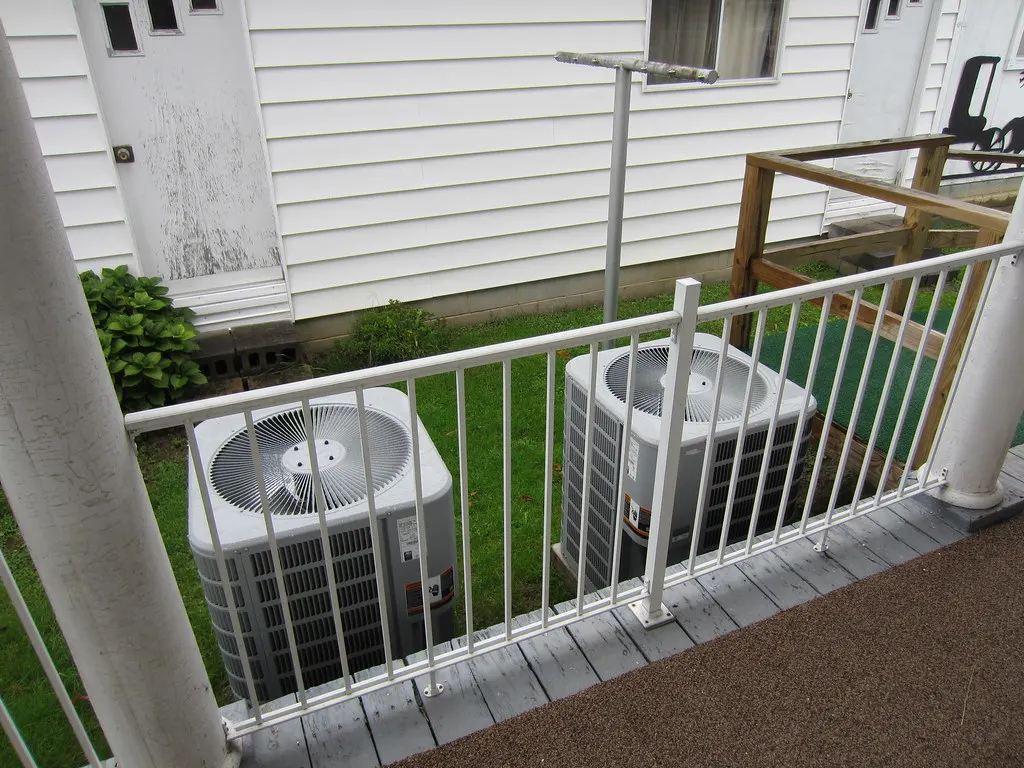
When an old furnace or air conditioner gives out, most homeowners face a choice they've never had to think about: replace it like-for-like, or switch to a heat pump. The right answer depends mostly on your climate, your fuel prices and your existing ductwork.
How each system works
A furnace burns natural gas or propane (or uses electric resistance) to create heat, and a separate central air conditioner moves heat out of the house in summer. A heat pump is a single outdoor unit that moves heat in either direction: out of the house in summer, like an AC, and into the house in winter by pulling heat from the outdoor air. Because it moves heat rather than generating it, a heat pump can deliver two to four units of heat for every unit of electricity it uses.
Upfront cost
| System | Typical installed cost (existing ducts) |
|---|---|
| Gas furnace only | $3,500–$7,500 |
| Central AC only | $4,500–$9,000 |
| Furnace + central AC together | $8,000–$15,000 |
| Ducted air-source heat pump | $7,000–$16,000 |
| Cold-climate heat pump | $10,000–$20,000 |
If you're replacing both a furnace and an AC at the same time, a heat pump is often comparable in cost. If only the furnace has failed and your AC is newer, a like-for-like furnace replacement is usually cheaper today.
Climate is the deciding factor
- Mild and warm climates (the South, Southwest and Pacific coast): heat pumps are usually the clear winner. Heating loads are modest and the same unit handles cooling efficiently.
- Mixed climates (the Mid-Atlantic and much of the Midwest): a modern heat pump works well most of the year. Some homeowners choose a dual-fuel system, a heat pump paired with a gas furnace that takes over on the coldest days.
- Cold climates (the northern states): look specifically for cold-climate models rated to keep heating well below 0°F, and get a proper heat-loss calculation.
Operating cost
Whether a heat pump is cheaper to run depends on your local electricity price compared with gas or propane. Heat pumps nearly always beat propane, heating oil and electric baseboard heat. Against cheap natural gas the savings are smaller. Ask installers for an operating-cost estimate based on your actual utility rates.
Getting a good installation
- Insist on a Manual J load calculation. Oversized equipment short-cycles, wastes energy and leaves rooms clammy.
- Compare efficiency ratings: SEER2 for cooling and HSPF2 for heat pump heating. Higher is better.
- Have the ducts inspected for leaks and sizing problems; leaky ducts can waste 20% or more of the air you pay to heat or cool.
- Check for utility and state rebates before you sign; programs change often and can be substantial.
Pair a new system with a well-sealed home and an efficient water heater for the biggest savings.
Prices are typical U.S. ranges and vary by region, home and contractor. Always get several local quotes and follow local building codes; hire a licensed professional for electrical, gas and structural work.
Keep reading
Roof Replacement Cost: What You'll Really Pay and How to Avoid Overpaying
Typical costs for asphalt, metal and tile roofs, what drives the price per square, when to repair instead of replace, and how to vet a roofing contractor.
Tank vs. Tankless Water Heater: Costs, Pros and Cons
Compare tank and tankless water heaters on installed cost, lifespan, energy use and hot water supply so you can choose the right replacement.
Kitchen Remodel Cost: A Realistic Budget Breakdown
What minor, mid-range and major kitchen remodels typically cost, where the money goes, and practical ways to cut the budget without cutting quality.