 Hammer & Hoe
How to Get a Thicker, Greener Lawn: A Season-by-Season Plan
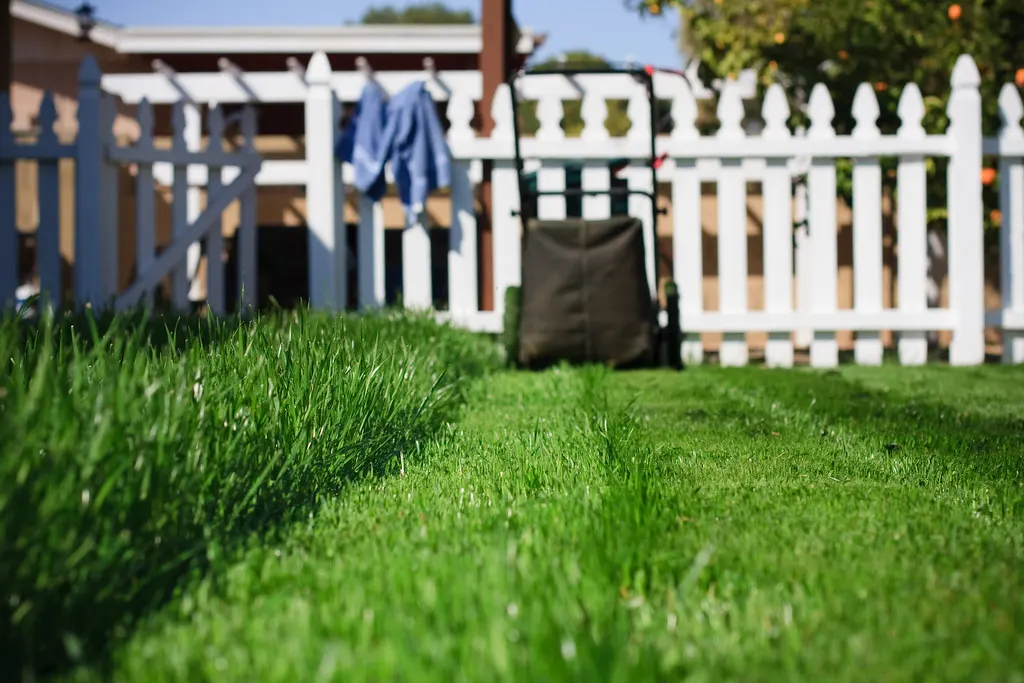
A thick lawn is the best weed control there is: when grass fills every inch, weeds have nowhere to grow. Getting there is less about expensive products and more about doing a few simple things at the right time of year for your type of grass.
Know your grass type
Cool-season grasses (Kentucky bluegrass, tall fescue, perennial ryegrass) dominate the northern half of the U.S. and grow most in spring and fall. Warm-season grasses (Bermuda, zoysia, St. Augustine, centipede) dominate the South and grow most in summer. Almost every lawn-care decision depends on which one you have.
Mow high and often
Most lawns are cut too short. Taller grass shades out weed seeds and grows deeper roots.
- Tall fescue and bluegrass: 3 to 4 inches.
- Bermuda: 1 to 2 inches. Zoysia: 1 to 2.5 inches. St. Augustine: 2.5 to 4 inches.
- Never remove more than one-third of the blade in a single mowing, and keep the blade sharp.
- Leave the clippings: they return nitrogen to the soil.
Water deeply, not daily
Most lawns need about 1 inch of water per week, including rain, applied in one or two deep sessions rather than daily sprinkles. Water early in the morning to reduce evaporation and disease. Place a few empty tuna cans on the lawn to measure how long your sprinkler takes to deliver an inch.
Overseed and fertilize at the right time
Cool-season lawns: early fall is the single best time to overseed and the most important time to fertilize. Soil is still warm, air is cooler, and weeds are slowing down. Core aerate first if the soil is compacted, then spread seed and keep it consistently moist for two to three weeks.
Warm-season lawns: fertilize from late spring through summer while the grass is actively growing. Fill bare spots with sod, plugs or seed in late spring once soil temperatures are warm.
A basic soil test from your state's cooperative extension service, often under $30, tells you exactly what your soil needs and stops you from wasting money on fertilizer it doesn't.
A simple yearly calendar (cool-season)
- Early spring: apply pre-emergent crabgrass control when forsythia blooms. Skip it if you plan to seed in spring.
- Late spring: light fertilizer feeding; spot-treat broadleaf weeds.
- Summer: mow high, water deeply, and don't fertilize in the heat.
- Early fall: aerate, overseed and fertilize.
- Late fall: a final feeding and keep mowing until growth stops.
Need to topdress or mulch beds? Use our mulch and soil calculator to see how much to buy.
Prices are typical U.S. ranges and vary by region, home and contractor. Always get several local quotes and follow local building codes; hire a licensed professional for electrical, gas and structural work.
Keep reading
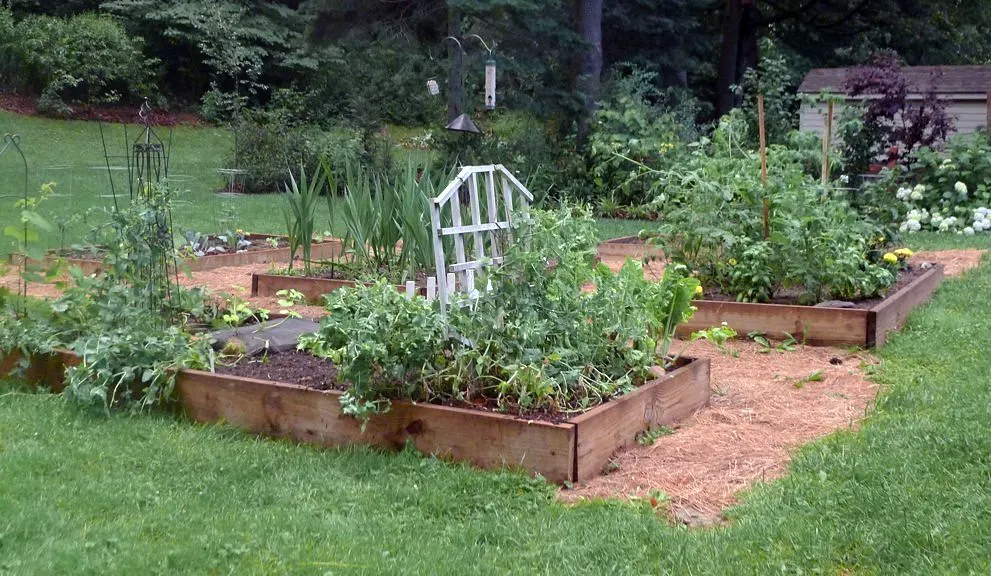
Raised Garden Beds for Beginners: Size, Soil and What to Plant
How to choose the right size, material and location for raised beds, mix good soil, and plan your first vegetable garden for a big harvest.
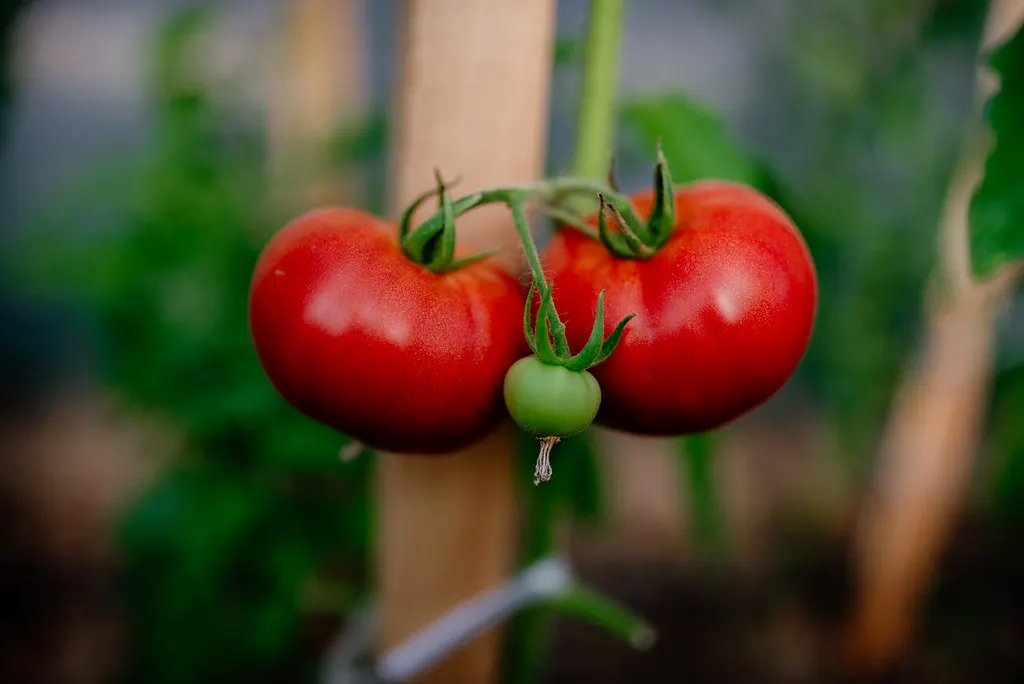
How to Grow Tomatoes: From Planting to a Big Summer Harvest
Sun, soil, spacing, watering and support: a practical guide to growing healthy tomato plants and avoiding common problems like blossom end rot and split fruit.
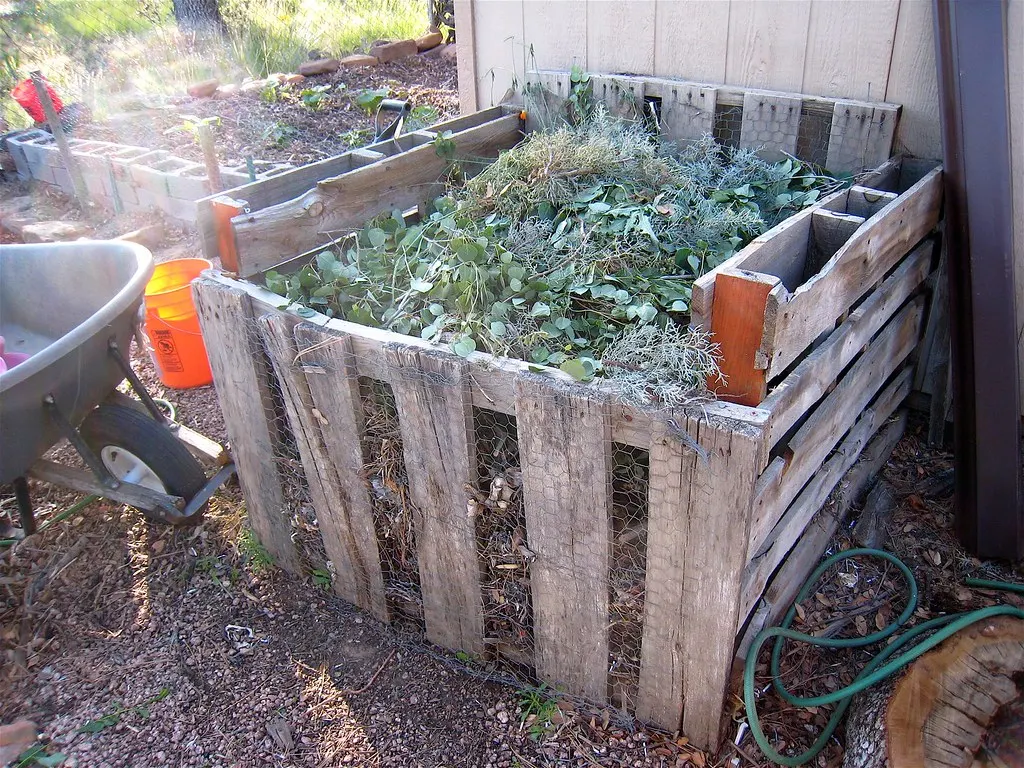
Composting at Home: A Simple Guide That Actually Works
What to put in your compost, the right mix of browns and greens, how to fix a smelly or slow pile, and when your compost is ready to use.