 Hammer & Hoe
Roof Replacement Cost: What You'll Really Pay and How to Avoid Overpaying
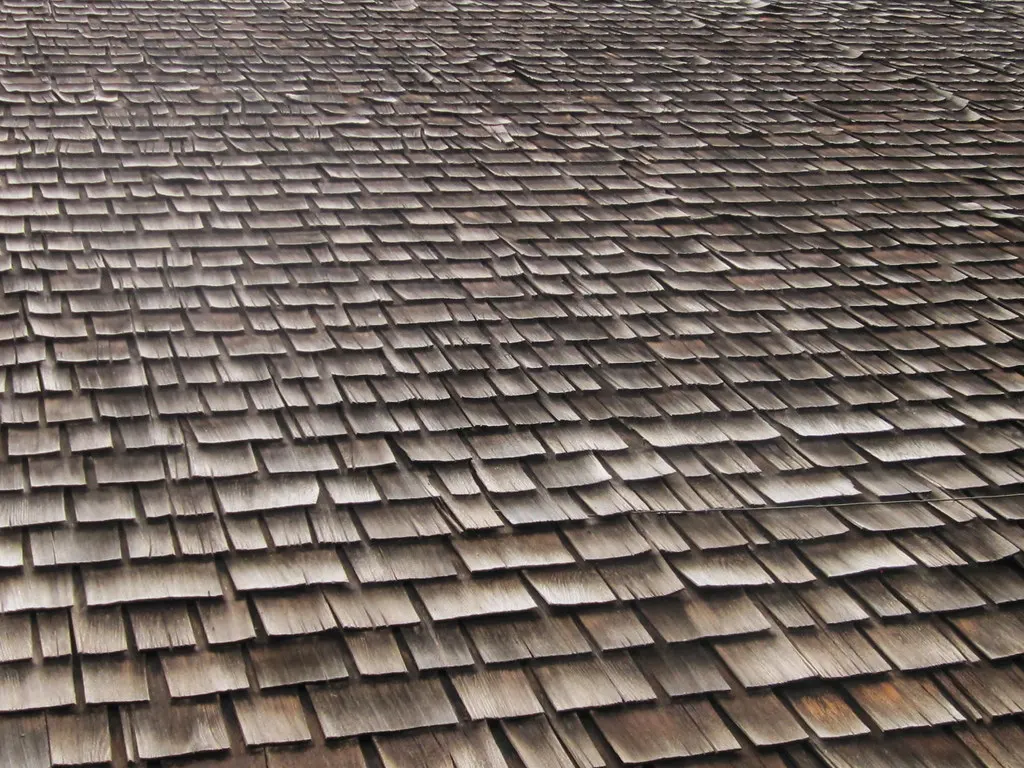
A new roof is one of the most expensive projects a homeowner faces, and one of the easiest to overpay for. Prices for the same house can vary by thousands of dollars between contractors. Knowing how roofers price a job is the best protection you have.
How roofers price a job
Roofers measure in squares: one square is 100 square feet of roof surface. A 2,000-square-foot house with a moderately pitched roof often has 20 to 25 squares once overhangs and slope are included. Quotes are usually built from a price per square that covers tear-off of the old roof, underlayment, flashing, shingles or panels, labor and disposal.
Typical costs by material
| Material | Typical installed cost | Expected lifespan |
|---|---|---|
| Architectural asphalt shingles | $450–$750 per square | 20–30 years |
| Standing-seam metal | $1,000–$1,800 per square | 40–70 years |
| Concrete tile | $900–$1,500 per square | 40–50 years |
| Slate | $1,500–$3,000+ per square | 75–100+ years |
For a typical single-family home, that puts an asphalt replacement somewhere around $9,000 to $18,000, while metal can run $20,000 to $40,000. Prices vary widely by region, so use these ranges to sanity-check quotes, not to replace them.
What pushes the price up
- Steep pitch: roofs too steep to walk safely need extra equipment and time.
- Multiple layers: removing two layers of old shingles costs more than one.
- Rotted decking: damaged plywood is replaced per sheet, often $70–$120 each. Ask for this price in writing before work starts.
- Complexity: valleys, dormers, skylights and chimneys all need extra flashing and labor.
- Permits and local codes: some areas require ice-and-water shield or specific wind ratings.
Repair or replace?
A roof with a few missing shingles or a single leak around a vent can usually be repaired for a few hundred dollars. Replacement makes more sense when the roof is near the end of its expected life, shingles are curling or losing granules across large areas, you see daylight through the roof boards in the attic, or leaks keep returning in different places.
How to hire a roofer
- Get at least three written quotes that list the same materials, underlayment and number of squares.
- Confirm the contractor's license (where your state requires one) and ask for a certificate of liability and workers' compensation insurance.
- Ask about both the manufacturer's warranty and the contractor's workmanship warranty.
- Avoid paying the full amount up front; a deposit followed by payment on completion is normal.
- Be wary of storm chasers who knock on doors after hail and pressure you to sign immediately.
If storm damage is involved, read our guide on what homeowners insurance covers before you call your insurer.
Prices are typical U.S. ranges and vary by region, home and contractor. Always get several local quotes and follow local building codes; hire a licensed professional for electrical, gas and structural work.
Keep reading
Heat Pump vs. Furnace and AC: Which Is Right for Your Home?
How heat pumps compare with a gas furnace plus central air on upfront cost, operating cost and comfort, and how climate decides which system makes sense.
Tank vs. Tankless Water Heater: Costs, Pros and Cons
Compare tank and tankless water heaters on installed cost, lifespan, energy use and hot water supply so you can choose the right replacement.
Kitchen Remodel Cost: A Realistic Budget Breakdown
What minor, mid-range and major kitchen remodels typically cost, where the money goes, and practical ways to cut the budget without cutting quality.