 Hammer & Hoe
Tank vs. Tankless Water Heater: Costs, Pros and Cons
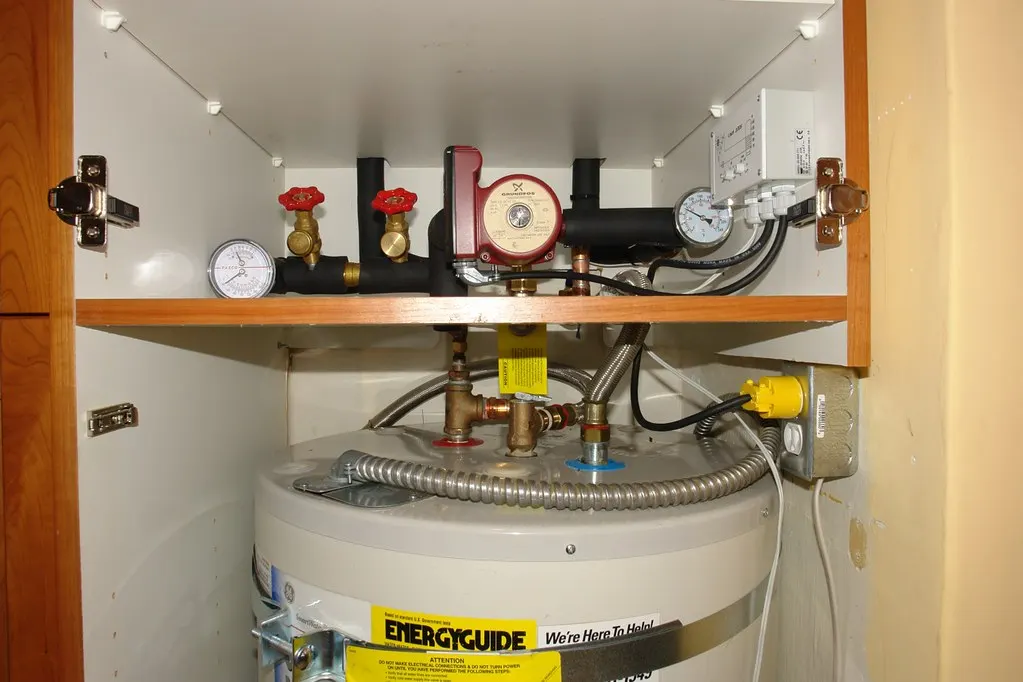
Water heating is one of the biggest energy costs in most homes, and the typical tank lasts only about 8 to 12 years. If yours is approaching that age, it pays to decide in advance between a new tank and a tankless model, before a leak forces a rushed choice.
How they differ
A tank water heater keeps 40 to 80 gallons of water hot around the clock. A tankless (on-demand) heater heats water only as it flows through the unit. That means no standby heat loss and an endless supply of hot water, as long as you don't exceed the unit's flow rate.
Cost comparison
| Tank (gas or electric) | Tankless (gas) | |
|---|---|---|
| Typical installed cost | $1,200–$3,000 | $2,500–$5,500 |
| Expected lifespan | 8–12 years | 15–20+ years |
| Energy savings | Baseline | Often 10–30% lower water-heating energy |
| Hot water supply | Limited by tank size | Continuous, limited by flow rate |
Converting from a tank to a gas tankless often requires a larger gas line and new venting, which is why the installed price varies so much.
Sizing a tankless unit
Tankless heaters are sized by gallons per minute (GPM) at a given temperature rise. Add up what might run at once: a shower uses about 2 GPM, a dishwasher about 1.5 and a kitchen faucet about 1.5. In colder regions, incoming water may be 40°F, so the unit has to raise it about 80°F to reach 120°F, which cuts its effective flow rate. Undersizing is the most common tankless complaint.
Which should you choose?
- Choose a tank if your budget is tight, you plan to move within a few years, or your home lacks the gas line and venting a tankless unit needs.
- Choose tankless if you plan to stay long-term, want endless hot water, or are short on space.
- Consider a heat pump water heater if you have an electric tank today: it can use far less electricity than a standard electric tank, though it needs space and works best in a garage or basement.
Maintenance that adds years
Drain and flush a tank once a year to remove sediment, and check the anode rod every few years. Tankless units need descaling, typically annually in hard-water areas. A small yearly effort can add years to either type. If you're budgeting for several home systems at once, our home warranty guide explains what is and isn't covered.
Prices are typical U.S. ranges and vary by region, home and contractor. Always get several local quotes and follow local building codes; hire a licensed professional for electrical, gas and structural work.
Keep reading

Roof Replacement Cost: What You'll Really Pay and How to Avoid Overpaying
Typical costs for asphalt, metal and tile roofs, what drives the price per square, when to repair instead of replace, and how to vet a roofing contractor.
Heat Pump vs. Furnace and AC: Which Is Right for Your Home?
How heat pumps compare with a gas furnace plus central air on upfront cost, operating cost and comfort, and how climate decides which system makes sense.
Kitchen Remodel Cost: A Realistic Budget Breakdown
What minor, mid-range and major kitchen remodels typically cost, where the money goes, and practical ways to cut the budget without cutting quality.