 Hammer & Hoe
Bathroom Remodel Cost: What to Budget for a Refresh, Mid-Range or Luxury Bath
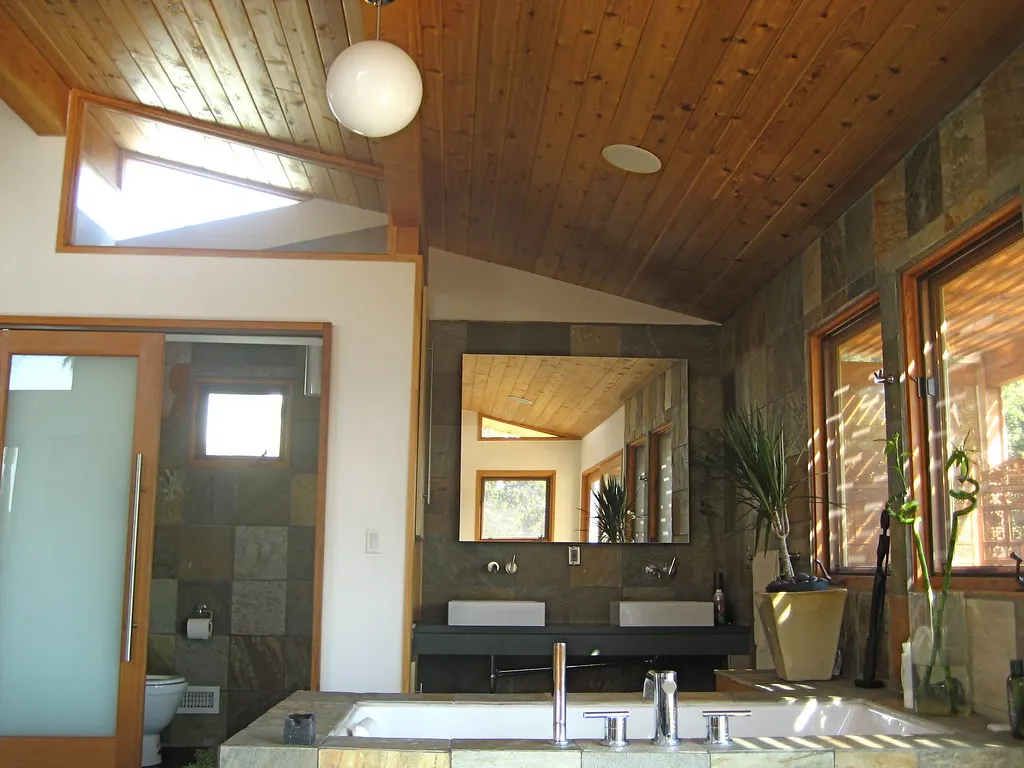
A bathroom is one of the smallest rooms in the house and one of the most expensive per square foot to remodel. It packs plumbing, electrical, waterproofing, tile and fixtures into a few dozen square feet, and every one of them needs to be done right to avoid leaks and mold later.
Typical cost ranges
These are broad U.S. ranges for professional work. Large coastal metro areas often run higher.
| Scope | What it usually includes | Typical cost |
|---|---|---|
| Cosmetic refresh | Paint, new vanity top and faucet, lighting, mirror, toilet, hardware | $5,000–$15,000 |
| Mid-range full remodel | New tub or shower, tile, vanity, toilet, flooring, fan and lighting; same layout | $15,000–$35,000 |
| Upscale or primary bath | Custom tile shower, double vanity, heated floors, layout changes, premium fixtures | $40,000–$80,000+ |
Where the money goes
- Labor: often around half the budget, because a bathroom involves several trades: demolition, plumbing, electrical, tile and finish carpentry.
- Tile and shower: a tiled walk-in shower with a proper waterproofing system is usually the single biggest line item.
- Vanity and countertop: stock vanities cost a few hundred dollars; custom or furniture-style units can run several thousand.
- Fixtures: faucets, shower valve and trim, toilet and lighting.
- Contingency: keep 10–20% in reserve. Rotted subfloor around an old toilet or a leaking shower pan is common once walls and floors come up.
What pushes the price up
- Moving plumbing. Relocating a toilet, shower or sink drain means opening floors and walls; keeping the existing layout is the biggest money saver.
- Tub-to-shower conversions and curbless showers, which need floor and drain changes.
- Large-format or intricate tile, which takes more labor to install flat and level.
- Heated floors, steam showers and custom glass.
- Older homes: outdated wiring, galvanized pipes or lead paint can add work you didn't plan for.
Don't skip the invisible parts
The parts of a bathroom you never see matter most. Insist on a proper waterproofing system behind and under shower tile (not just tile over drywall), an exhaust fan vented to the outside rather than into the attic, and GFCI-protected outlets near water, which electrical codes require. Most full remodels also need a permit, which your contractor should pull.
Ways to save
- Keep the toilet, shower and sink where they are.
- Refinish or reglaze a sound cast-iron tub instead of replacing it.
- Use a stock vanity and a prefabricated shower base.
- Splurge on one feature, such as an accent tile wall, and keep the rest simple.
- Do the demolition and painting yourself if your contractor agrees.
Planning for the long term
If you plan to stay in the home for many years, consider aging-in-place features while the walls are open: a low or curbless shower entry, wood blocking behind the walls for future grab bars, and a comfort-height toilet. Adding them later costs much more. Before you hire, read our guide on how to hire a contractor, and see your options in how to pay for a home renovation.
Prices are typical U.S. ranges and vary by region, home and contractor. Always get several local quotes and follow local building codes; hire a licensed professional for electrical, gas and structural work.
Keep reading
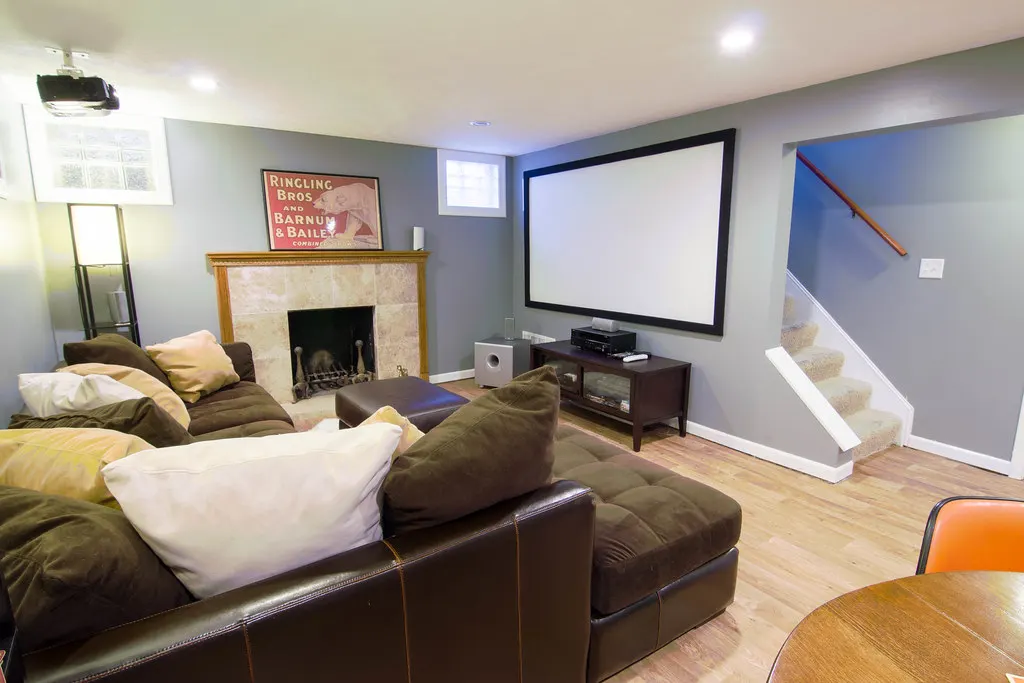
Basement Finishing Cost: Budget, Moisture Control and Code Basics
What it typically costs per square foot to finish a basement, why moisture comes first, and the code requirements for ceilings, egress windows and bedrooms.
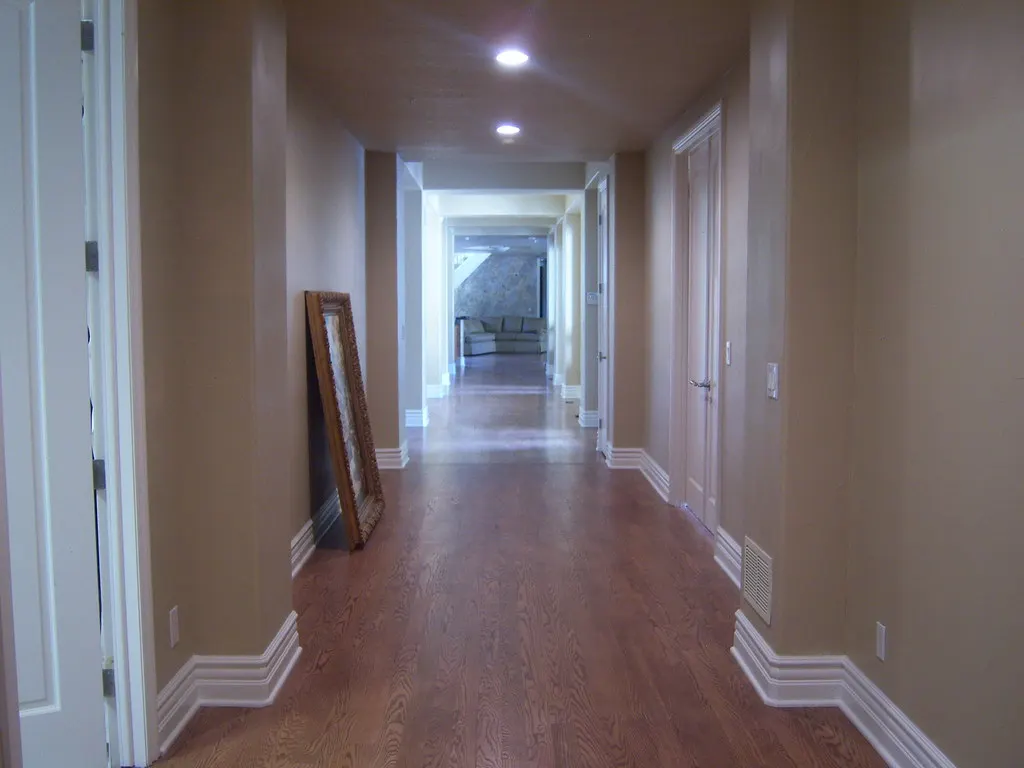
Flooring Cost Comparison: Hardwood vs. Luxury Vinyl vs. Tile vs. Laminate
Installed cost per square foot, durability and water resistance for the most popular flooring types, plus how much extra to order and where each one works best.
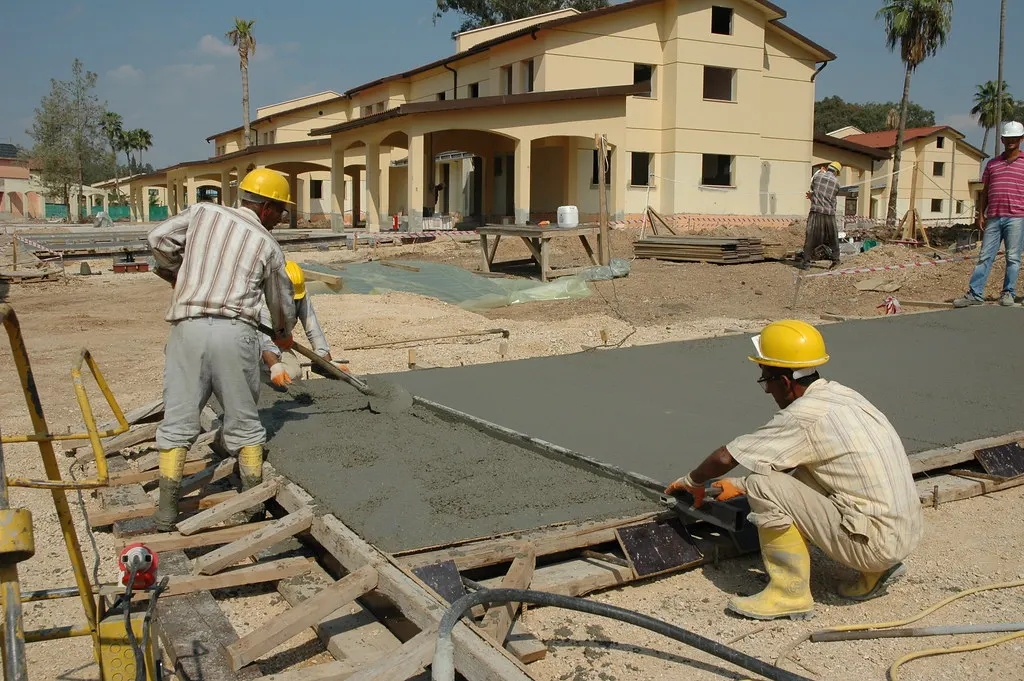
How to Hire a Contractor: Bids, Contracts, Payments and Red Flags
A step-by-step guide to finding, vetting and hiring a home improvement contractor, comparing bids, writing a solid contract and protecting yourself from common scams.