 Hammer & Hoe
How to Unclog a Drain Without Harsh Chemicals
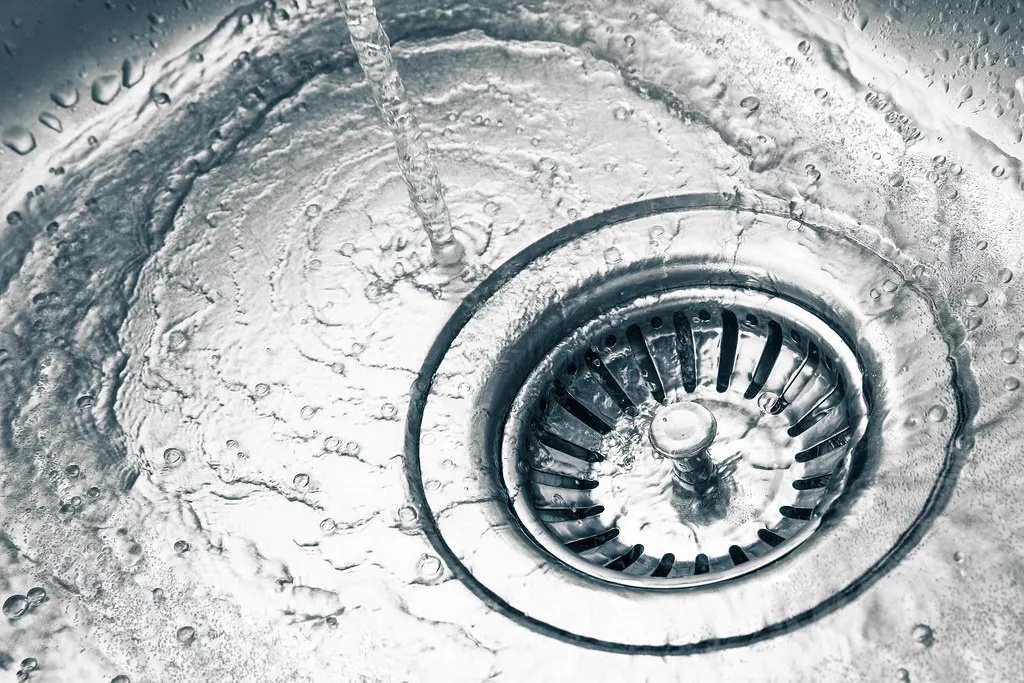
Most clogged sinks and showers are caused by hair, soap scum, grease or food, and most can be cleared in minutes with simple tools. Chemical drain openers are harsh on pipes, dangerous to splash and often don't reach the real blockage, so try these methods first.
Start simple: hot water
For a slow kitchen sink, grease is the usual culprit. Pour a kettle of hot water slowly into the drain in stages. If your drain pipes are plastic (PVC), use very hot tap water rather than boiling water, and never pour boiling water into a porcelain toilet bowl, which can crack.
Use the right plunger
- Cup plunger (flat bottom) for sinks, tubs and showers.
- Flange plunger (with an extra sleeve at the bottom) for toilets.
Fill the sink with a few inches of water so the cup is covered. Block the overflow hole with a wet rag, and in a double kitchen sink plug the other drain, so pressure goes into the clog instead of escaping. Then plunge straight up and down firmly 15 to 20 times. Never plunge after using a chemical drain cleaner, because it can splash caustic liquid.
Pull out hair with a drain tool or snake
Bathroom drains are mostly clogged with hair. Remove the stopper (most lift out or unscrew), then use an inexpensive plastic barbed drain tool or a small hand-crank drain snake (auger). Feed it in, turn it to grab the clog, and pull it out. It's not pretty, but it works better than anything you can pour.
Baking soda and vinegar: for mild buildup only
A half cup of baking soda followed by a cup of vinegar, left for 30 minutes and flushed with hot water, can freshen a drain and loosen light buildup. It won't clear a solid clog of hair or grease, so treat it as maintenance rather than a fix.
Clean the P-trap under the sink
If plunging doesn't work, the clog may be in the curved pipe under the sink.
- Put a bucket underneath and wear gloves.
- Loosen the two slip nuts by hand or with pliers and remove the trap.
- Clean it out, check the pipe going into the wall with a snake, then reassemble.
- Run water and check for drips; snug the nuts by hand if needed.
When it's a bigger problem
If several drains are slow at once, water backs up into a tub when you flush the toilet, or you hear gurgling from multiple fixtures, the blockage is probably in the main sewer line. That's a job for a plumber, who can run a powered auger or a camera. A main line clog that's ignored can lead to sewage backup, which is the kind of damage our guide to home insurance and warranties explains in detail.
Prevent the next clog
- Use a hair catcher in showers and tubs.
- Wipe greasy pans with a paper towel before washing and never pour fat down the drain.
- Scrape food into the trash or compost, even if you have a garbage disposal.
- Flush bathroom drains with hot water once a week.
Prices are typical U.S. ranges and vary by region, home and contractor. Always get several local quotes and follow local building codes; hire a licensed professional for electrical, gas and structural work.
Keep reading
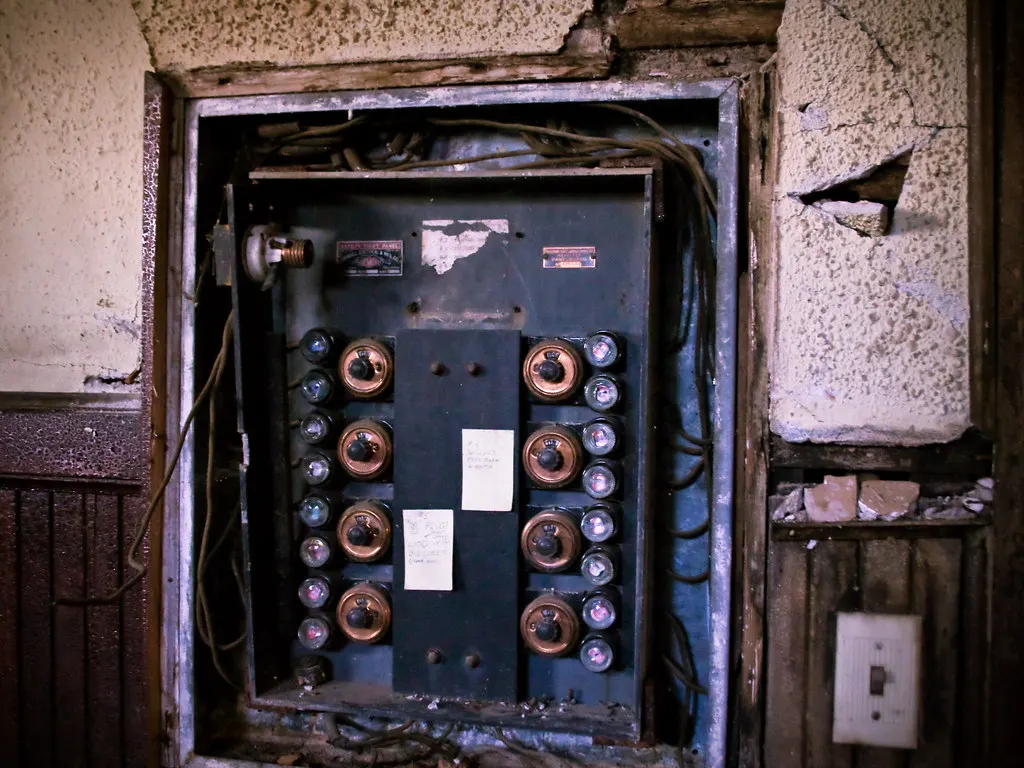
Electrical Panel Upgrade Cost: When You Need One and What to Expect
Signs your electrical panel is outdated or undersized, typical costs to upgrade from 100 to 200 amps, what the job involves, and alternatives like load management.
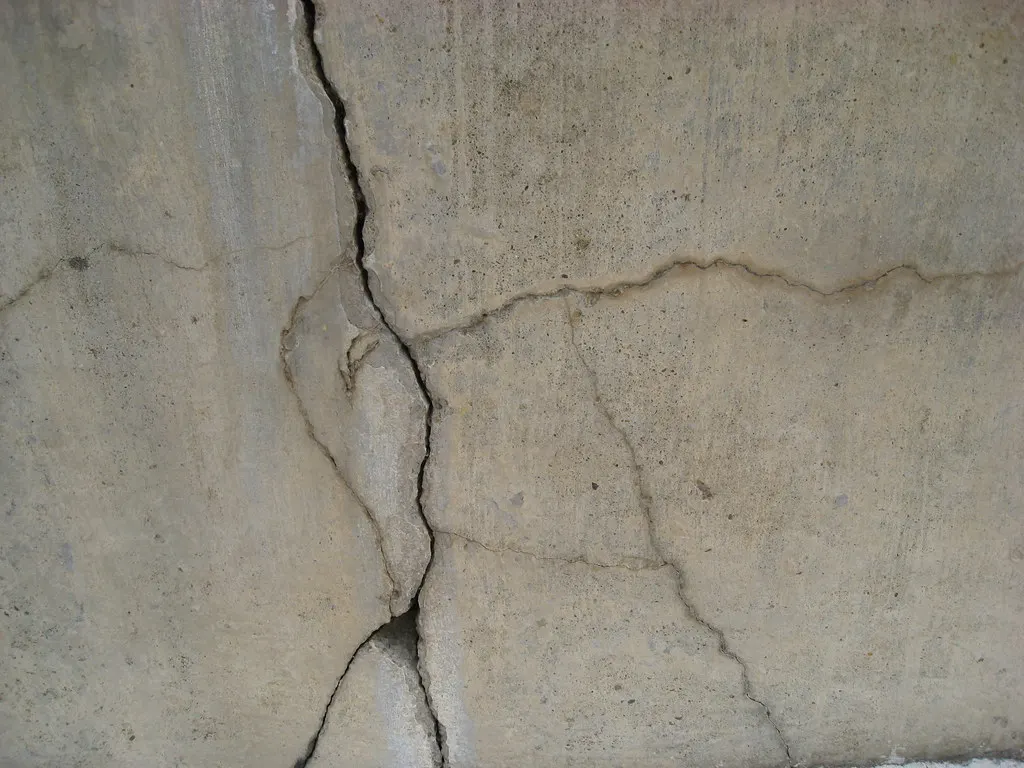
Foundation Repair Cost: Warning Signs, Repair Methods and When to Worry
Which foundation cracks are normal and which are serious, what common repairs typically cost, and why you should get an independent structural engineer's opinion.
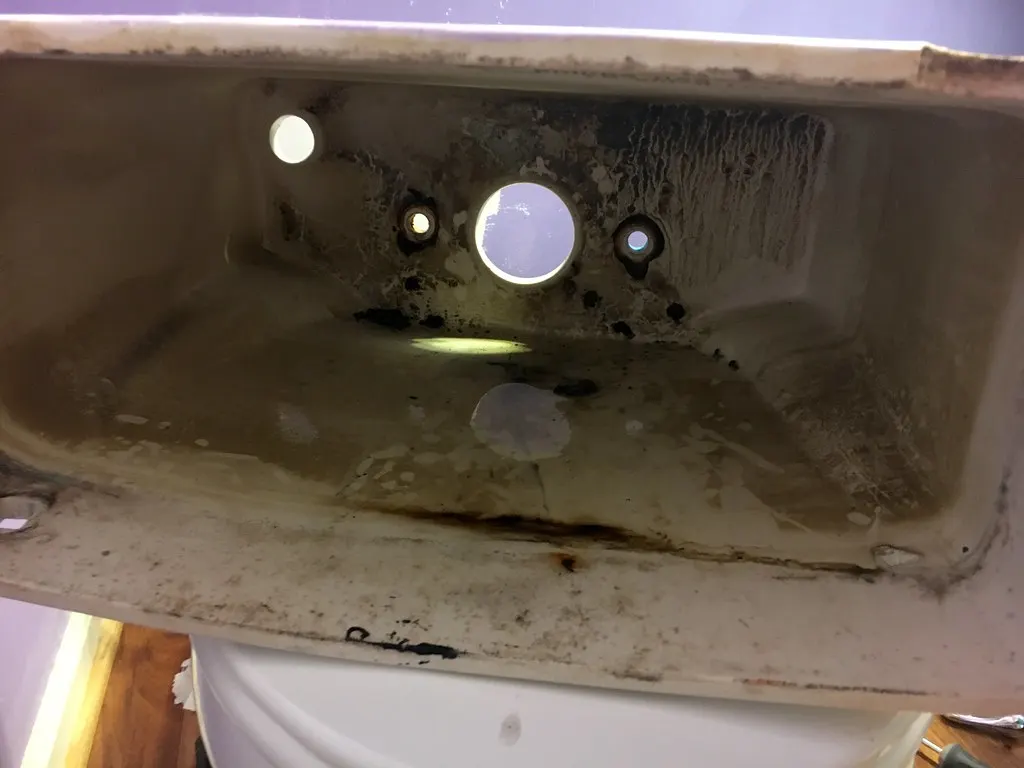
How to Fix a Running Toilet in About 30 Minutes
Find out why your toilet keeps running, test for a leaky flapper with food coloring, and fix the chain, float, flapper or fill valve yourself.