 Hammer & Hoe
How to Plant Spring Bulbs in Fall for a Garden Full of Color
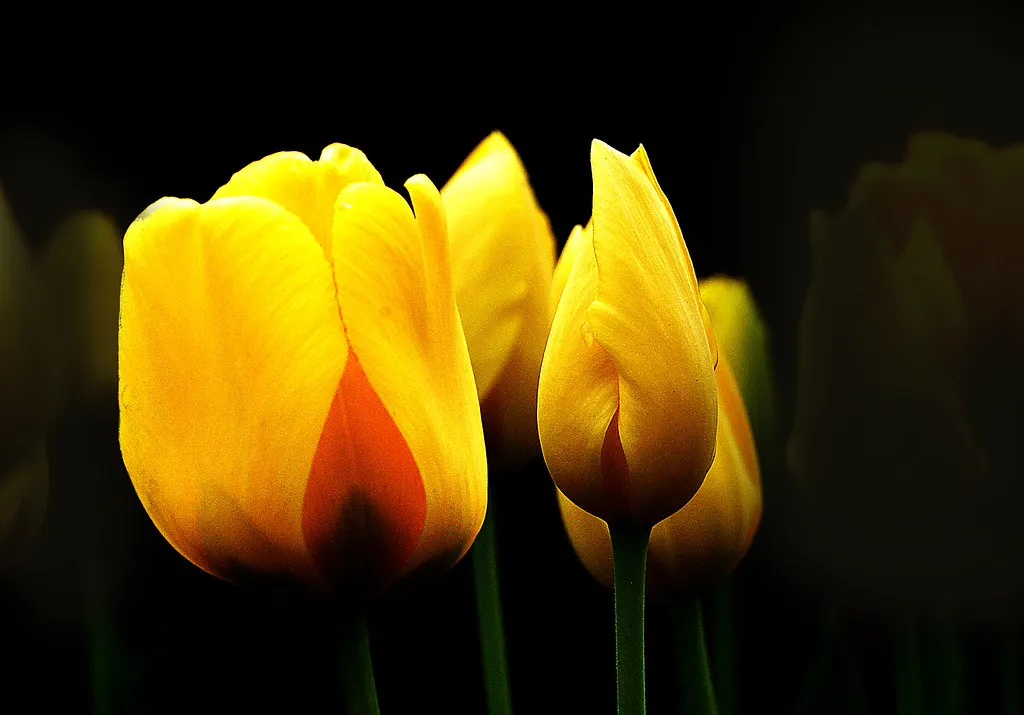
The tulips and daffodils that light up gardens in April are planted the fall before. Bulbs need a long, cold rest in the ground to bloom, so a couple of hours of planting now pays off with months of color next spring.
When to plant
Plant spring-flowering bulbs in fall once the soil has cooled, ideally below about 60°F, and roughly six to eight weeks before the ground freezes. In most of the northern U.S. that means late September through October; in the mid-South it usually means November. If you miss the window, plant anyway as long as you can still dig: bulbs left in the bag will not survive until next year.
How deep and how far apart
- Depth: plant each bulb about two to three times as deep as the bulb is tall, measured from the bottom of the bulb. That means roughly 6 to 8 inches for tulips and daffodils, and 3 to 4 inches for small bulbs like crocus and grape hyacinth.
- Which way up: the pointed end faces up and the flat, root end faces down. If you can't tell, plant it on its side; the stem will find its way.
- Spacing: large bulbs 4 to 6 inches apart, small bulbs 2 to 3 inches apart.
- Grouping: plant in clusters of at least 7 to 10 of the same variety. A single row of bulbs looks sparse; a drift looks intentional.
Soil and planting
Bulbs rot in soggy ground, so choose a spot with good drainage and at least six hours of sun in spring. Loosen the soil, mix in compost if it's heavy clay, set the bulbs, cover them, and water thoroughly once to settle the soil and trigger root growth. You don't need to fertilize at planting in decent garden soil; a light top-dressing of compost in spring is enough.
Keeping squirrels and deer away
Squirrels love freshly dug soil and tulip bulbs. A few tactics help:
- Lay chicken wire or hardware cloth over the planted area and cover it with mulch; stems grow through the holes.
- Clean up papery bulb skins after planting, since the smell attracts digging.
- Choose bulbs animals avoid: daffodils are toxic to squirrels and deer, and alliums, snowdrops and grape hyacinths are rarely eaten. Tulips and crocuses are favorites, so protect them.
Warm climates: chill first
In USDA zones 8 and warmer, winters may not be cold enough for tulips and hyacinths. Buy them early and chill them in the refrigerator for 12 to 16 weeks in a paper bag before planting in December or January. Keep them away from fruit such as apples, which give off ethylene gas that can damage the flower inside the bulb. Daffodils and many small bulbs bloom well without chilling in the South.
After they bloom
Snip off spent flowers, but leave the leaves until they turn yellow, usually six weeks or so. The foliage feeds the bulb for next year's flowers. Daffodils come back reliably for decades; many modern tulips bloom best in their first year, so gardeners often treat them as annuals. While you're out in the garden this season, see our fall garden cleanup checklist.
Prices are typical U.S. ranges and vary by region, home and contractor. Always get several local quotes and follow local building codes; hire a licensed professional for electrical, gas and structural work.
Keep reading
Fall Garden Cleanup Checklist: What to Do Before Winter (and What to Skip)
A practical fall checklist for vegetable beds, perennials, lawns and tools, including what to leave standing for pollinators and birds.
How to Get Rid of Aphids Naturally (Without Harming Beneficial Insects)
How to spot aphids, knock them back with water and insecticidal soap, recruit ladybugs and lacewings, and prevent the next outbreak.
How to Start Seeds Indoors: A Beginner's Step-by-Step Guide
When to sow, what mix and lights to use, how to avoid leggy seedlings and damping off, and how to harden off transplants before moving them outside.