 Hammer & Hoe
How to Winterize Your Home: 10 Steps to Lower Bills and Prevent Damage
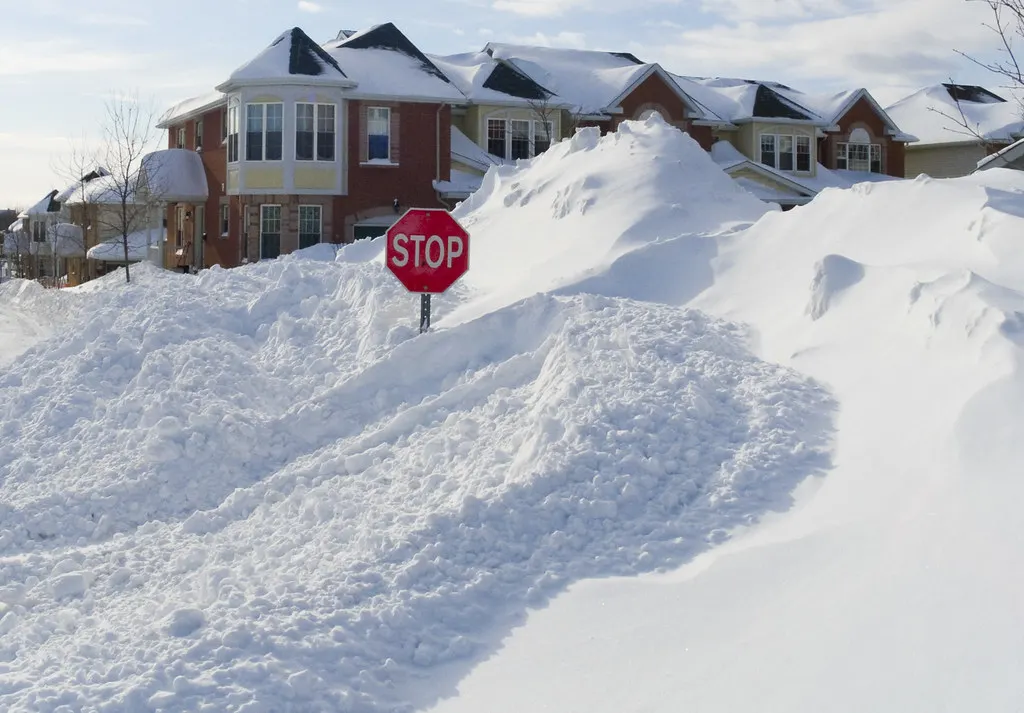
Winter is hard on houses. Cold air leaks in, pipes can freeze and burst, and heating systems work their hardest. A weekend of preparation before the first hard freeze makes your home more comfortable and can prevent some of the most expensive repairs a homeowner faces.
1. Service the heating system
Have your furnace or heat pump inspected before the cold sets in, and replace the air filter; a clogged filter makes the system work harder and wear out sooner. If you're considering a replacement, our comparison of heat pumps and furnaces covers costs and climate.
2. Seal drafts around doors and windows
On a windy day, move a lit incense stick slowly around window and door frames; wavering smoke shows a leak. Fix leaks with weatherstripping on doors and operable windows, caulk on gaps around frames that don't move, and a door sweep on exterior doors.
3. Check attic insulation
Heat rises, so the attic is often the biggest source of loss. If you can see the tops of the ceiling joists, you probably need more insulation. Check ENERGY STAR's recommended insulation level (R-value) for your climate zone, and seal air leaks around attic hatches, recessed lights and plumbing vents before adding insulation.
4. Protect pipes from freezing
- Wrap exposed pipes in unheated areas such as crawl spaces, garages and attics with foam pipe insulation.
- Know where your main water shutoff valve is and make sure it turns, so you can act fast if a pipe bursts.
- During deep freezes, open cabinet doors under sinks on exterior walls and let a faucet drip.
5. Shut off and drain outdoor faucets
Disconnect hoses, close the indoor shutoff valve for each outdoor faucet if you have one, and open the outside spigot to drain it. Blow out or drain sprinkler systems according to the manufacturer's instructions.
6. Clean the gutters
Clogged gutters overflow, and in freezing weather they can contribute to ice dams that push water under shingles. Clear them after the leaves fall and make sure downspouts carry water several feet away from the foundation.
7. Use your thermostat wisely
According to the U.S. Department of Energy, you can save as much as 10% a year on heating and cooling by turning your thermostat back 7 to 10°F for eight hours a day, such as while you sleep or are at work. A programmable or smart thermostat does it automatically. Never set it below 55°F if you'll be away.
8. Reverse ceiling fans
Set ceiling fans to run clockwise on low speed in winter. This gently pushes warm air that collects near the ceiling back down into the room.
9. Test smoke and carbon monoxide alarms
Home fires and carbon monoxide poisoning both rise in winter as furnaces, fireplaces and space heaters run more. Test every alarm, replace batteries if needed, and have the chimney inspected before using a wood-burning fireplace.
10. Prepare for storms
Stock a few days of water, non-perishable food, flashlights, batteries, medications and a phone power bank. Have a snow shovel and ice melt ready before you need them. For the rest of the year's tasks, see our seasonal home maintenance checklist.
Prices are typical U.S. ranges and vary by region, home and contractor. Always get several local quotes and follow local building codes; hire a licensed professional for electrical, gas and structural work.
Keep reading
Electrical Panel Upgrade Cost: When You Need One and What to Expect
Signs your electrical panel is outdated or undersized, typical costs to upgrade from 100 to 200 amps, what the job involves, and alternatives like load management.
Foundation Repair Cost: Warning Signs, Repair Methods and When to Worry
Which foundation cracks are normal and which are serious, what common repairs typically cost, and why you should get an independent structural engineer's opinion.
How to Fix a Running Toilet in About 30 Minutes
Find out why your toilet keeps running, test for a leaky flapper with food coloring, and fix the chain, float, flapper or fill valve yourself.