 Hammer & Hoe
How to Pay for a Home Renovation: HELOC, Home Equity Loan, Cash-Out Refinance and More
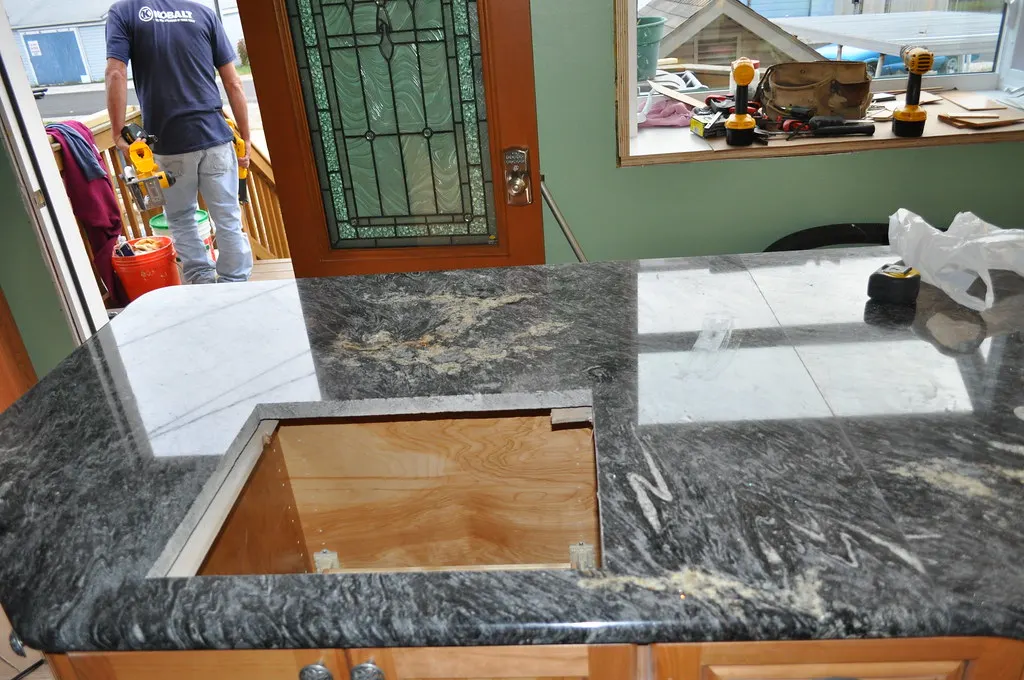
How you pay for a renovation can add thousands of dollars to its real cost. The right option depends on how much equity you have, how big the project is, how quickly you need the money and whether you prefer a fixed or variable payment.
Option 1: Savings
Paying cash avoids interest, closing costs and putting your home up as collateral. It works best for smaller projects or when you can phase a bigger one over time. Just don't drain your emergency fund: renovations often uncover surprises.
Option 2: Home equity loan
A home equity loan gives you a lump sum at a fixed rate, repaid over a set term, often 5 to 30 years. It's a good fit when you know the project's total cost up front. Lenders typically let you borrow up to a combined loan-to-value of around 80% to 85% of your home's value, counting your existing mortgage. Your home secures the loan, so missing payments puts it at risk.
Option 3: HELOC (home equity line of credit)
A HELOC works like a credit card secured by your home. You draw what you need during a draw period, often 10 years, usually paying interest only, then repay principal and interest during the repayment period. Rates are usually variable. HELOCs suit projects paid in stages or with uncertain costs, but budget for higher payments when the draw period ends or if rates rise.
Option 4: Cash-out refinance
A cash-out refinance replaces your current mortgage with a larger one and pays you the difference. It can make sense if the new rate is similar to or lower than your current rate. If you'd be giving up a low existing mortgage rate, a home equity loan or HELOC is often cheaper overall. Expect closing costs of roughly 2% to 5% of the new loan amount.
Option 5: Renovation mortgages
Loans such as the FHA 203(k) and Fannie Mae HomeStyle renovation loans let you finance a purchase or refinance plus renovation costs in one mortgage, based on the home's value after the work is done. They're useful for buying a fixer-upper or when you have little equity, but they involve more paperwork, contractor requirements and inspections.
Option 6: Personal loan
Personal loans are unsecured, fast and don't require home equity or an appraisal, which makes them practical for smaller projects of a few thousand to tens of thousands of dollars. Rates are typically higher than home equity products and terms shorter, so monthly payments are higher.
Credit cards: only for small amounts
A card with a 0% introductory APR can cover a small project if you're certain you can pay it off before the promotion ends. Otherwise, standard credit card rates make it one of the most expensive ways to borrow.
Quick comparison
| Option | Rate type | Uses home as collateral | Best for |
|---|---|---|---|
| Home equity loan | Fixed | Yes | One-time projects with a known cost |
| HELOC | Usually variable | Yes | Phased projects or uncertain costs |
| Cash-out refinance | Fixed or adjustable | Yes | Large projects when refinancing makes sense anyway |
| Renovation mortgage | Fixed or adjustable | Yes | Fixer-uppers and low-equity homes |
| Personal loan | Fixed | No | Smaller projects, fast funding |
Before you borrow
- Get firm bids first so you know how much you need; add a 10–20% contingency. Our guide to hiring a contractor explains how to compare bids.
- Compare offers from at least three lenders, looking at the APR and all fees, not just the rate.
- Ask about tax treatment: interest on home equity debt may be deductible when the money is used to buy, build or substantially improve the home that secures the loan, within IRS limits. Check current IRS rules or ask a tax professional.
- Prioritize projects that protect the house, such as a roof or foundation repair, before cosmetic upgrades.
This guide is general information, not financial advice. Loan terms, rates and eligibility vary by lender and borrower.
Prices are typical U.S. ranges and vary by region, home and contractor. Always get several local quotes and follow local building codes; hire a licensed professional for electrical, gas and structural work.
Keep reading
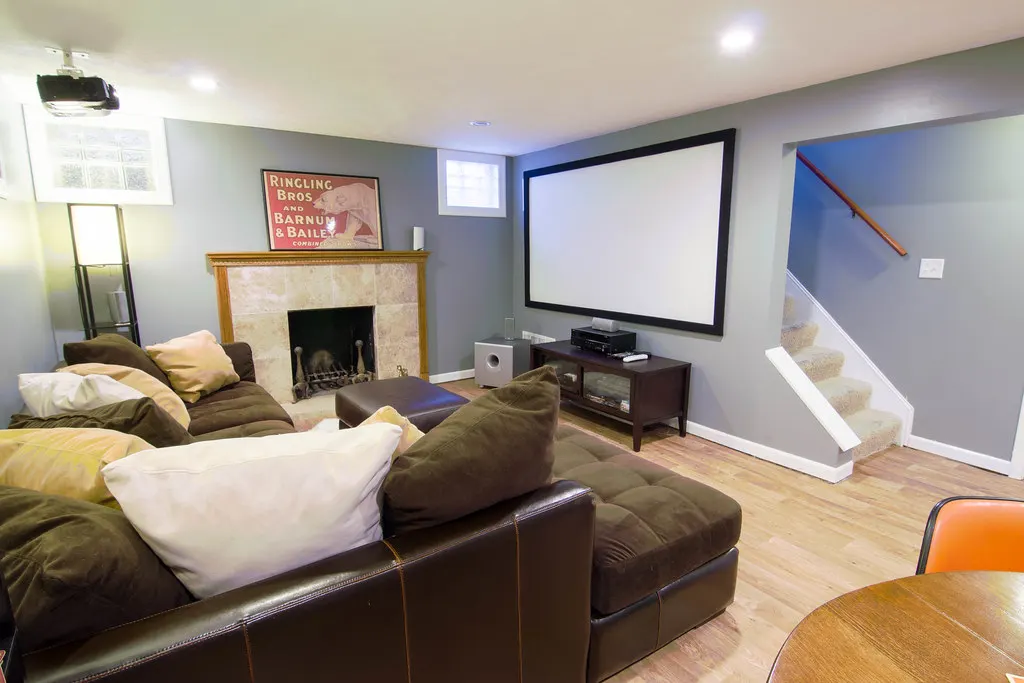
Basement Finishing Cost: Budget, Moisture Control and Code Basics
What it typically costs per square foot to finish a basement, why moisture comes first, and the code requirements for ceilings, egress windows and bedrooms.
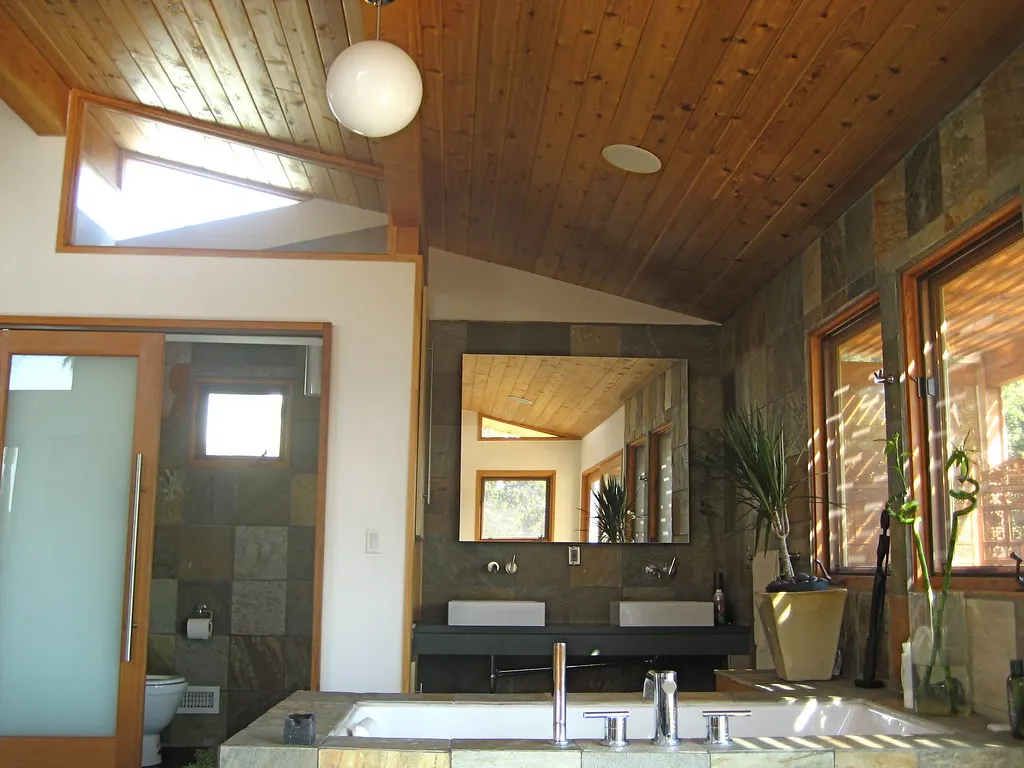
Bathroom Remodel Cost: What to Budget for a Refresh, Mid-Range or Luxury Bath
Typical U.S. costs for small, mid-range and upscale bathroom remodels, where the money goes, what drives the price up, and how to save without cutting corners.
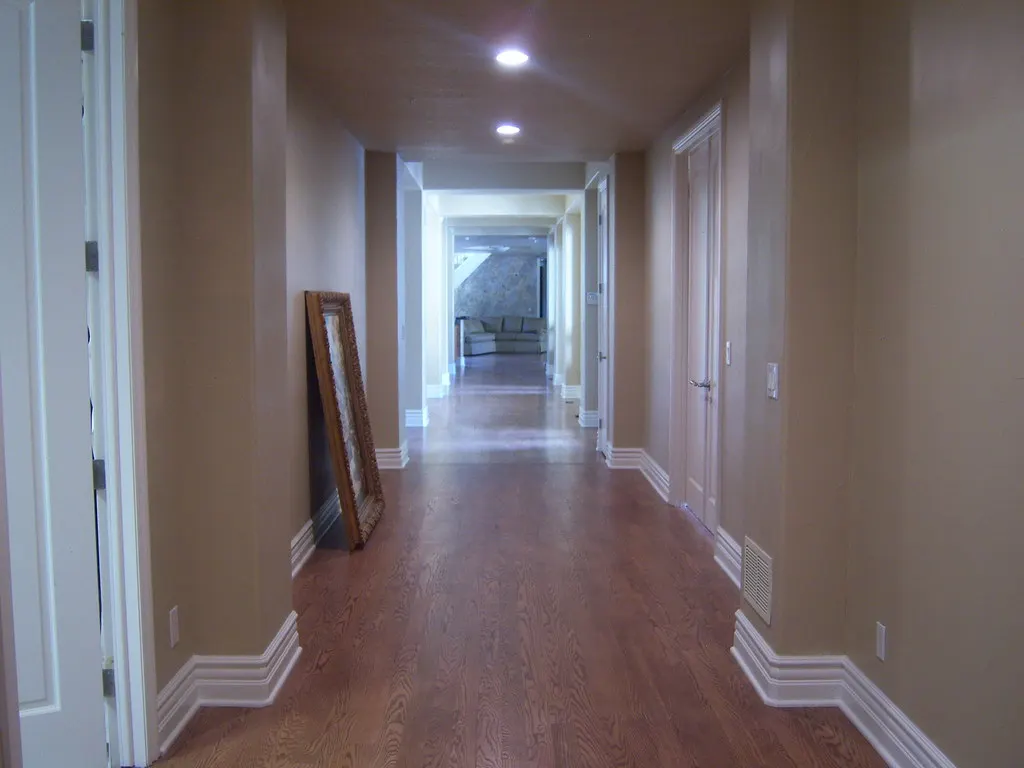
Flooring Cost Comparison: Hardwood vs. Luxury Vinyl vs. Tile vs. Laminate
Installed cost per square foot, durability and water resistance for the most popular flooring types, plus how much extra to order and where each one works best.