 Hammer & Hoe
Flooring Cost Comparison: Hardwood vs. Luxury Vinyl vs. Tile vs. Laminate
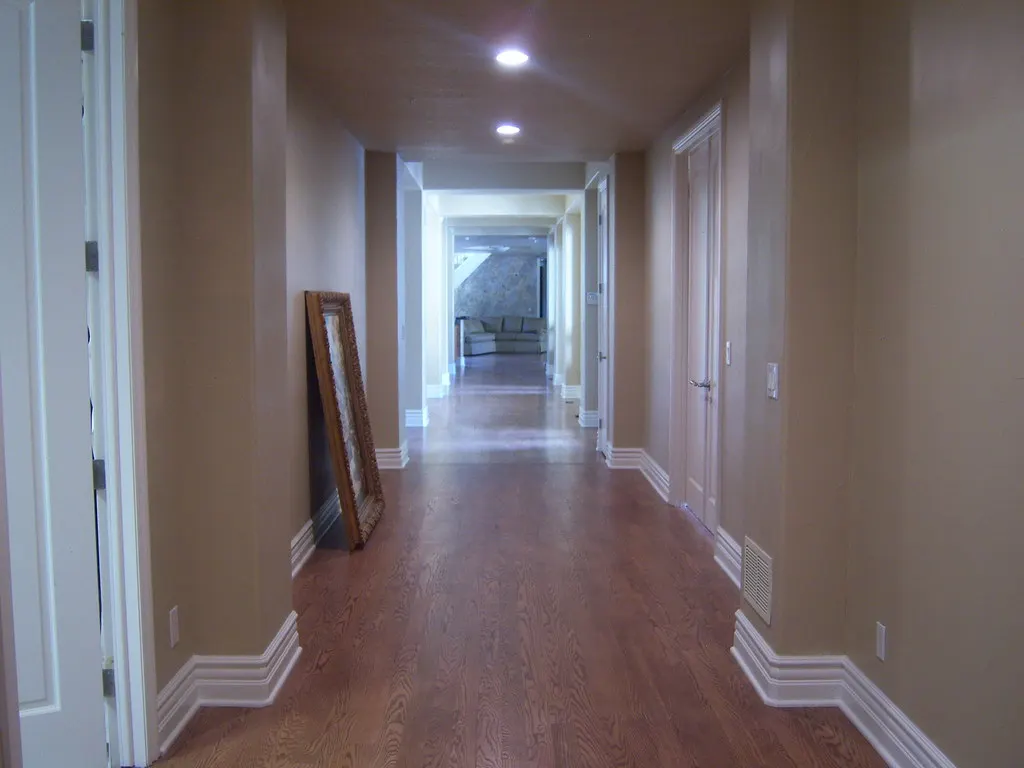
New flooring changes the look of a whole home, and prices range from a few dollars to well over $15 per square foot installed. The right choice depends on the room, how much water and wear it sees, and how long you plan to stay.
Cost and performance at a glance
Installed prices below include typical labor for a straightforward room in the U.S. Removing old flooring, leveling the subfloor and moving heavy furniture usually cost extra.
| Flooring | Typical installed cost per sq ft | Water resistance | Typical lifespan |
|---|---|---|---|
| Carpet | $3–$8 | Poor | 8–15 years |
| Laminate | $3–$8 | Fair (water-resistant versions are better) | 15–25 years |
| Luxury vinyl plank (LVP) | $4–$9 | Excellent | 15–25 years |
| Engineered hardwood | $6–$13 | Fair | 20–40 years |
| Solid hardwood | $8–$15 | Poor | 50+ years (can be refinished many times) |
| Porcelain or ceramic tile | $8–$20 | Excellent | 50+ years |
Which floor for which room
- Kitchens: LVP or tile handle spills best. Engineered hardwood can work if spills are wiped up quickly.
- Bathrooms and laundry rooms: tile or LVP. Avoid solid hardwood and standard laminate.
- Basements: LVP or tile, because concrete slabs can release moisture. Solid hardwood shouldn't be installed below grade. See our basement finishing guide.
- Living rooms and bedrooms: any option works. Hardwood adds the most long-term value; carpet is warmest and quietest.
- Homes with pets: LVP and tile resist scratches and accidents best.
How much to order
Measure each room's length and width, multiply to get square feet, and add the rooms together. Then add a waste factor for cuts and mistakes: about 10% for a typical straight layout, and 15% or more for diagonal or herringbone patterns. Buy all the material at once so colors match across boxes, and keep a spare box for future repairs. Our flooring and paint calculator does the math for you.
Installation details that matter
- Acclimate wood and some laminate products in the room for the time the manufacturer specifies before installing.
- Flat subfloor: most floating floors require a flat surface within tight tolerances; humps and dips cause gaps and squeaks.
- Underlayment: use the type the manufacturer requires, especially over concrete.
- Warranties often depend on following the installation instructions exactly, so keep the paperwork.
DIY or hire it out?
Click-together laminate and LVP are realistic DIY projects for a careful homeowner and can cut the cost roughly in half. Tile and nail-down hardwood take more skill and tools. If you hire a pro, get quotes that list the product, removal, subfloor prep and trim work separately, and read our tips on hiring a contractor.
Prices are typical U.S. ranges and vary by region, home and contractor. Always get several local quotes and follow local building codes; hire a licensed professional for electrical, gas and structural work.
Keep reading
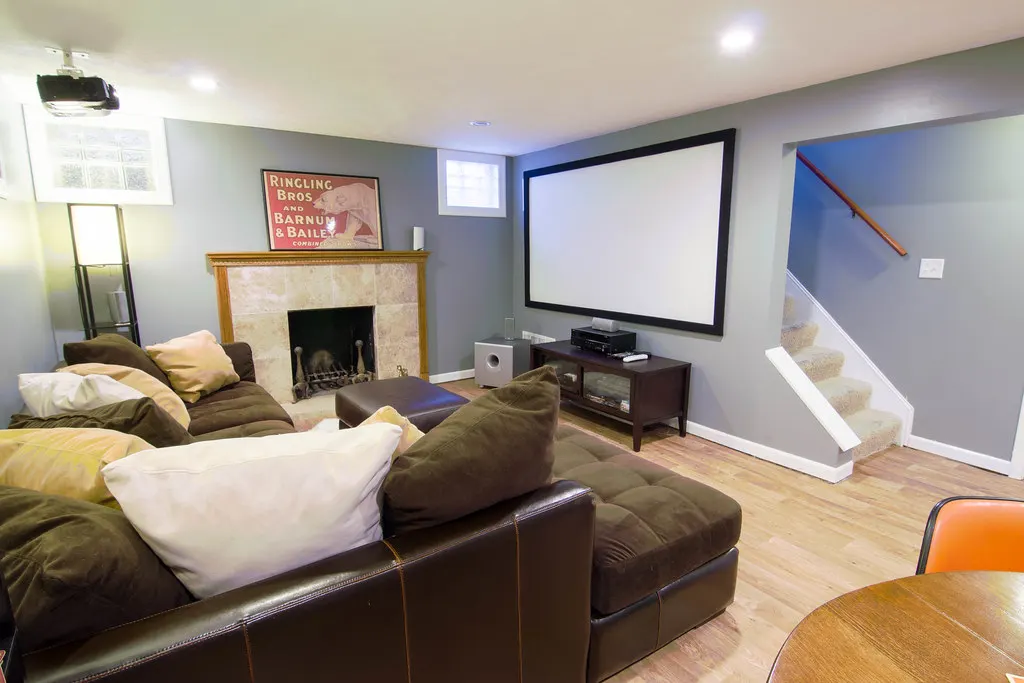
Basement Finishing Cost: Budget, Moisture Control and Code Basics
What it typically costs per square foot to finish a basement, why moisture comes first, and the code requirements for ceilings, egress windows and bedrooms.
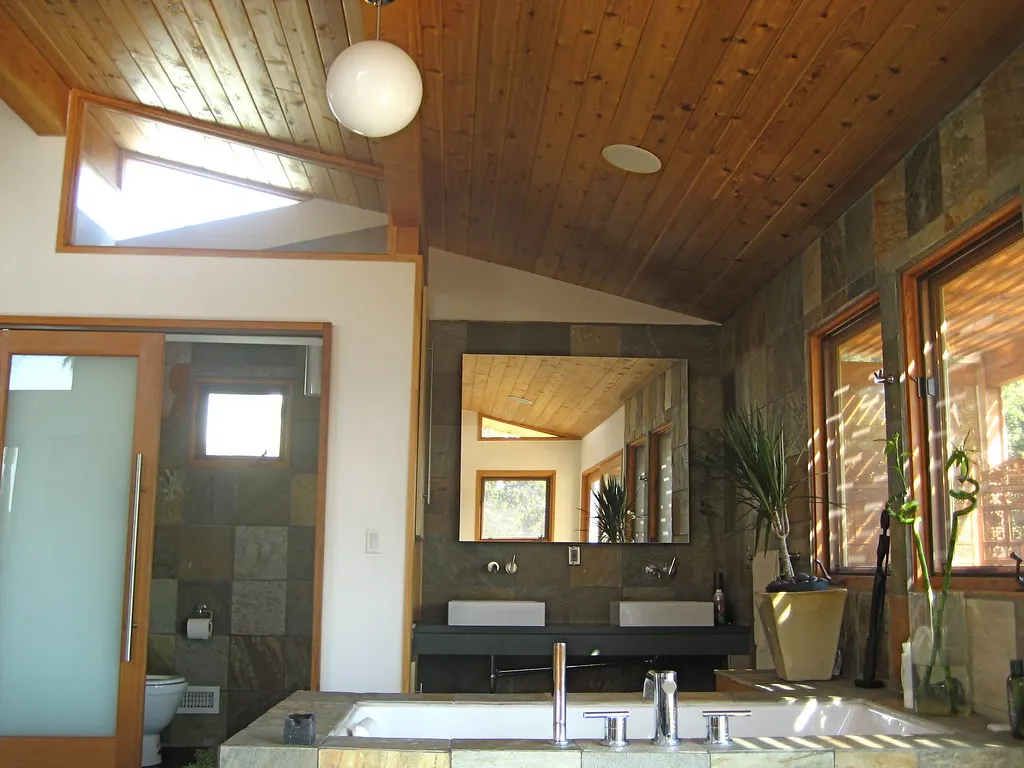
Bathroom Remodel Cost: What to Budget for a Refresh, Mid-Range or Luxury Bath
Typical U.S. costs for small, mid-range and upscale bathroom remodels, where the money goes, what drives the price up, and how to save without cutting corners.
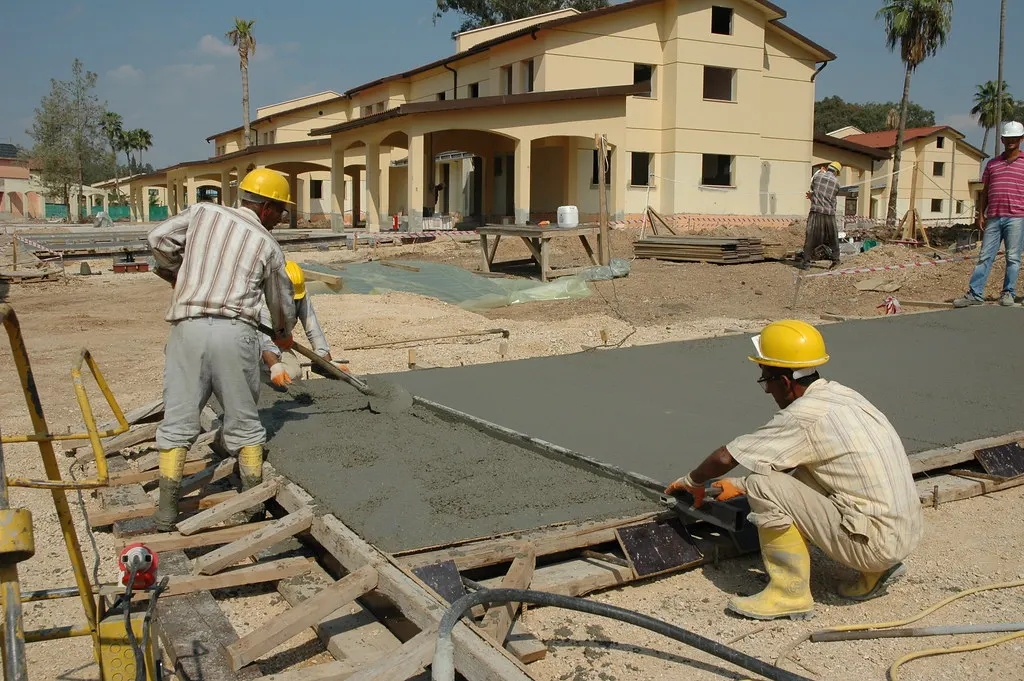
How to Hire a Contractor: Bids, Contracts, Payments and Red Flags
A step-by-step guide to finding, vetting and hiring a home improvement contractor, comparing bids, writing a solid contract and protecting yourself from common scams.