 Hammer & Hoe
How to Fix a Running Toilet in About 30 Minutes
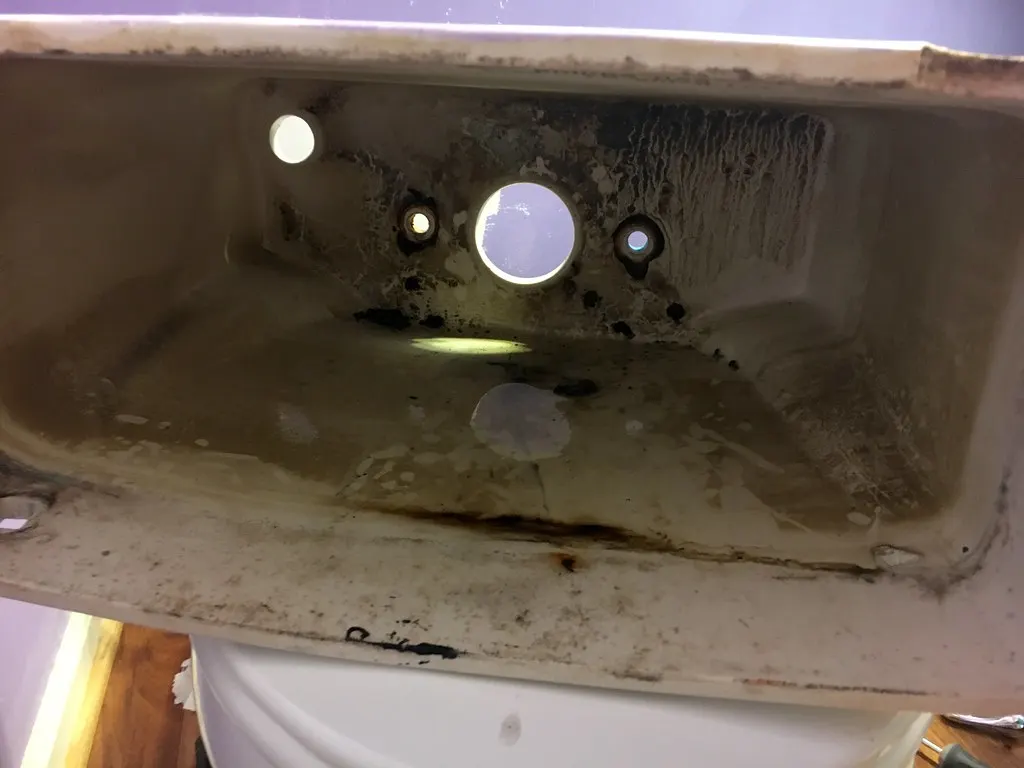
A toilet that runs, hisses or refills on its own isn't just annoying. According to the EPA's WaterSense program, a leaky toilet can waste around 200 gallons of water a day. The good news: nearly every running toilet comes down to a few inexpensive parts you can fix yourself.
How a toilet tank works
When you flush, a chain lifts the flapper, a rubber seal at the bottom of the tank, and water rushes into the bowl. The flapper then drops back into place, and the fill valve refills the tank until a float rises and shuts it off. A toilet runs when water either leaks past the flapper or keeps pouring into the overflow tube.
Step 1: Find the cause
Take the tank lid off and set it somewhere safe (it's heavy and breaks easily). Then check:
- Is water flowing into the overflow tube? The water level is set too high, or the fill valve isn't shutting off.
- Does the toilet refill by itself every so often? Water is slowly leaking past the flapper.
- Food coloring test: add a few drops to the tank and don't flush for 15 to 30 minutes. If color appears in the bowl, the flapper is leaking.
Step 2: Check the chain
A chain that's too short holds the flapper slightly open; one that's too long can get caught under it. Adjust it so there's about half an inch of slack when the flapper is closed. This free fix solves a surprising number of running toilets.
Step 3: Adjust the water level
The water should stop about 1 inch below the top of the overflow tube; many tanks have a fill line marked inside. To lower it, turn the adjustment screw or slide the clip on the fill valve's float. Older toilets with a ball float on a metal arm can be adjusted by gently bending the arm down.
Step 4: Replace the flapper
If the dye test showed a leak, the flapper has probably warped or hardened. Replacements cost roughly $5 to $25.
- Turn off the water at the shutoff valve behind the toilet and flush to empty the tank.
- Unhook the chain and pull the flapper off the pegs on the overflow tube.
- Take the old flapper to the store, or note the toilet brand and the flush valve size (usually 2 or 3 inches), to get a match.
- Wipe mineral buildup off the valve seat with a soft scrub pad, fit the new flapper and reattach the chain.
- Turn the water back on and test.
Step 5: Replace the fill valve if needed
If the tank keeps filling no matter how you set the float, or the valve hisses constantly, replace the whole fill valve. Universal kits cost about $10 to $30 and come with instructions. With the water off and the tank drained and sponged dry, you unscrew the supply line and the nut under the tank, swap the valve, set its height and reconnect. Plan on 30 to 60 minutes the first time.
When to call a plumber
Call a pro if water is leaking at the base of the toilet or between the tank and bowl, if the shutoff valve won't turn or leaks, or if the tank is cracked. Fixing small leaks quickly is one of the easiest items on our home maintenance checklist.
Prices are typical U.S. ranges and vary by region, home and contractor. Always get several local quotes and follow local building codes; hire a licensed professional for electrical, gas and structural work.
Keep reading
Electrical Panel Upgrade Cost: When You Need One and What to Expect
Signs your electrical panel is outdated or undersized, typical costs to upgrade from 100 to 200 amps, what the job involves, and alternatives like load management.
Foundation Repair Cost: Warning Signs, Repair Methods and When to Worry
Which foundation cracks are normal and which are serious, what common repairs typically cost, and why you should get an independent structural engineer's opinion.
How to Unclog a Drain Without Harsh Chemicals
Step-by-step methods for clearing slow sinks, tubs and showers with hot water, a plunger, a drain snake and the P-trap, plus when the problem is in the main line.