 Hammer & Hoe
Fall Garden Cleanup Checklist: What to Do Before Winter (and What to Skip)
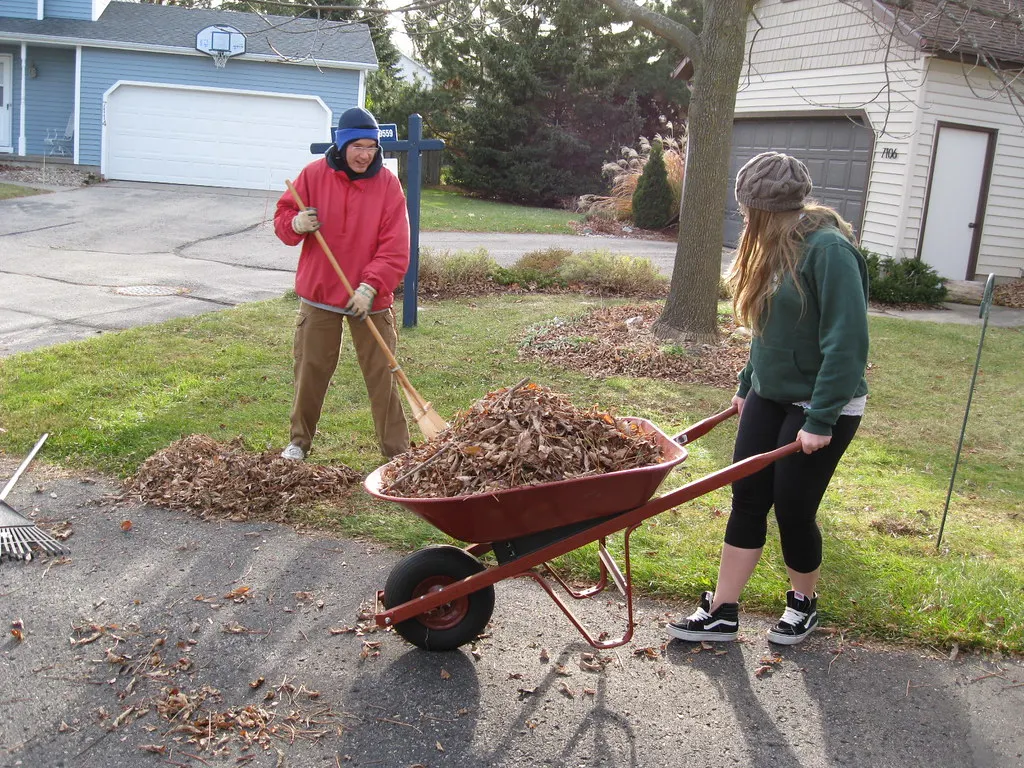
A good fall cleanup sets your garden up for a strong spring, but "cleanup" doesn't mean cutting everything to the ground. The best approach removes problems, protects the soil and leaves some shelter for the wildlife that helps your garden.
Vegetable beds
- Pull spent annual crops such as tomatoes, squash and beans once frost ends their season.
- Bag or burn diseased plants (for example, tomatoes with blight or squash with powdery mildew) instead of composting them; most home compost piles don't get hot enough to kill the pathogens.
- Add 1 to 2 inches of compost or shredded leaves to bare beds, or sow a cover crop such as winter rye or crimson clover to protect and feed the soil.
- Plant garlic in mid to late fall: individual cloves, pointed end up, about 2 inches deep and 4 to 6 inches apart, then mulch with straw.
- Write down what grew where so you can rotate crops next year.
Perennials and shrubs
- Leave sturdy stems and seed heads standing, such as coneflowers, black-eyed Susans and ornamental grasses. They feed birds over winter, and many native bees overwinter in hollow stems.
- Cut back plants with disease problems, such as peonies or bee balm with mildew, and remove the debris.
- Divide crowded spring- and summer-blooming perennials while the soil is still workable.
- Hold off on most pruning until late winter; see our guide on when to prune trees and shrubs.
- Water evergreens deeply before the ground freezes if fall has been dry.
Leaves
Fallen leaves are free fertilizer. Instead of bagging them, run the mower over them on the lawn to chop them into small pieces that break down over winter, or rake them onto beds as mulch. Thick, whole layers left on the lawn can smother grass, so shred anything more than a light covering. Extra leaves are the perfect "brown" for your compost pile.
Lawn
Early fall is prime time for cool-season lawns: overseed thin areas and apply a fall feeding. Keep mowing until the grass stops growing, and lower the last cut slightly to discourage snow mold. Our lawn care plan has the full calendar.
Tools, hoses and containers
- Clean soil off tools, sharpen pruners and wipe metal parts with a little oil to prevent rust.
- Drain and coil hoses and store them indoors, and shut off outdoor faucets.
- Empty terracotta and ceramic pots, which can crack when wet soil freezes.
- Run the mower's fuel tank dry or add fuel stabilizer before storing it for winter.
One last job: plant for spring
Fall is the time to plant tulips, daffodils and other spring bulbs. Our guide to planting spring bulbs explains depth, timing and how to keep squirrels from digging them up.
Prices are typical U.S. ranges and vary by region, home and contractor. Always get several local quotes and follow local building codes; hire a licensed professional for electrical, gas and structural work.
Keep reading
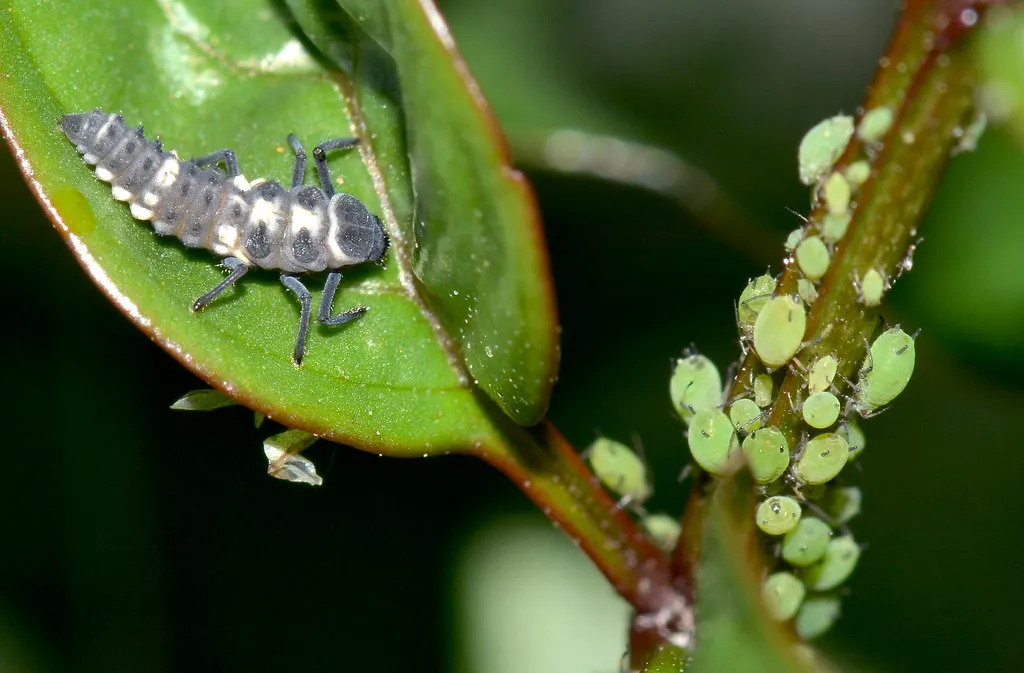
How to Get Rid of Aphids Naturally (Without Harming Beneficial Insects)
How to spot aphids, knock them back with water and insecticidal soap, recruit ladybugs and lacewings, and prevent the next outbreak.
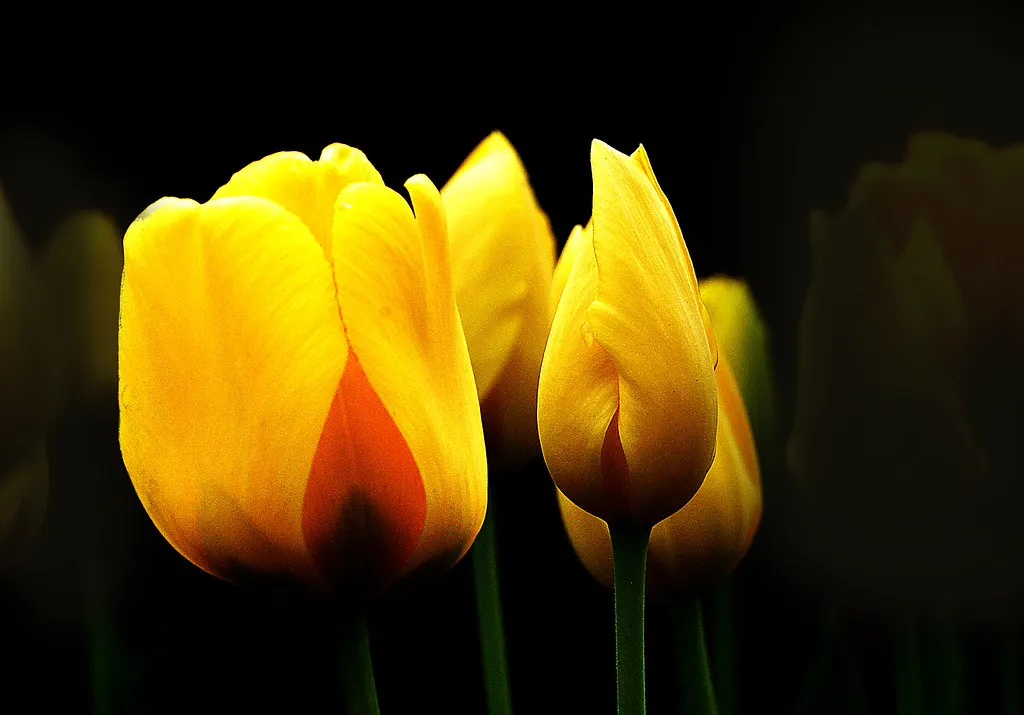
How to Plant Spring Bulbs in Fall for a Garden Full of Color
When to plant tulips, daffodils and crocuses, how deep to set them, how to keep squirrels away, and what to do in warm climates where bulbs need chilling.
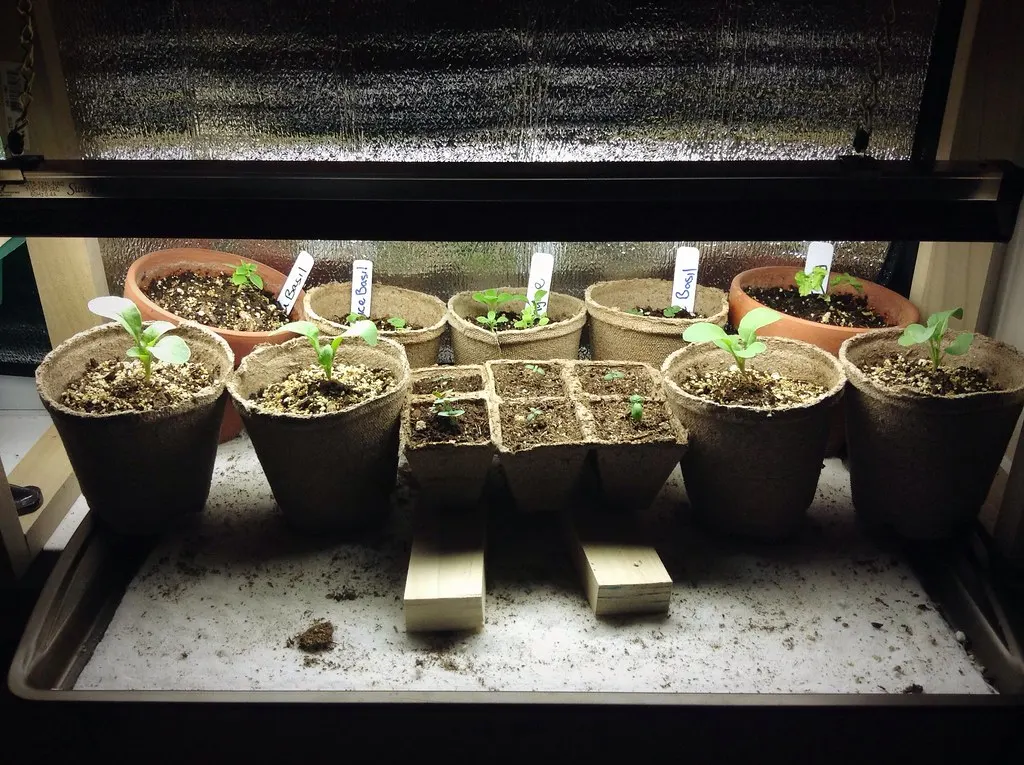
How to Start Seeds Indoors: A Beginner's Step-by-Step Guide
When to sow, what mix and lights to use, how to avoid leggy seedlings and damping off, and how to harden off transplants before moving them outside.