 Hammer & Hoe
Foundation Repair Cost: Warning Signs, Repair Methods and When to Worry
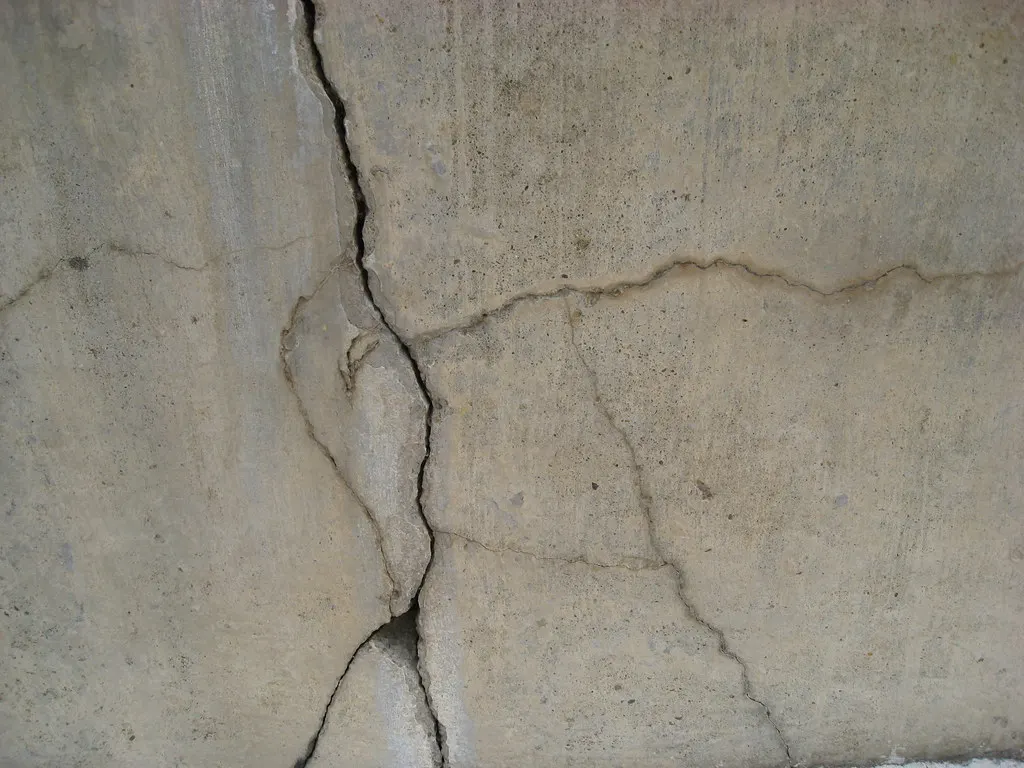
Few phrases worry homeowners more than "foundation problem." The good news is that many cracks are cosmetic. The bad news is that real structural issues get more expensive the longer they're ignored, so it pays to know the difference.
Cracks that are usually normal
Poured concrete shrinks as it cures, so thin, vertical hairline cracks in basement walls or slabs are common and often harmless. Keep an eye on them: mark the ends with a pencil and the date, and check every few months to see whether they grow.
Warning signs that need attention
- Horizontal cracks in basement walls, which can mean soil pressure is pushing the wall inward.
- Stair-step cracks in concrete block or brick.
- Cracks wider than about 1/4 inch, or cracks where one side is offset from the other.
- Walls that bow or lean.
- Doors and windows that suddenly stick or won't latch, sloping floors, or gaps between walls and ceilings.
- Water coming through cracks.
Common repairs and typical costs
Costs vary enormously with the cause, soil conditions and how much of the house is affected. These broad ranges help you sanity-check quotes.
| Repair | What it fixes | Typical cost |
|---|---|---|
| Crack injection (epoxy or polyurethane) | Sealing non-structural or minor cracks against water | $500–$1,500 per crack |
| Wall bracing (carbon fiber straps or steel beams) | Stabilizing bowing basement walls | $4,000–$12,000+ |
| Piering (push piers or helical piers) | Lifting and stabilizing a settling foundation | $1,500–$3,500 per pier; many jobs need several |
| Slab jacking / foam leveling | Raising sunken concrete slabs | $1,000–$5,000+ |
| Drainage improvements | Fixing the water problems that cause many failures | $1,000–$10,000+ |
Many foundation repairs fall in the low thousands, while major stabilization work can exceed $20,000.
Get an independent opinion first
Foundation repair companies often provide free inspections, but they also sell the repairs. For anything beyond a hairline crack, consider paying a licensed structural engineer, often a few hundred dollars to around $1,000 for an evaluation, for an independent diagnosis and repair plan. You can then get bids based on the engineer's report, which makes quotes easier to compare and protects you from unnecessary work.
Water is the usual culprit
Most foundation movement is linked to water: soil that swells when wet and shrinks when dry, or water pooling against the walls. Simple steps help prevent new problems:
- Keep gutters clean and extend downspouts several feet away from the house.
- Grade soil so it slopes away from the foundation, about 6 inches over the first 10 feet.
- Don't plant thirsty trees too close to the house.
- In dry climates with expansive clay, keep soil moisture around the foundation fairly consistent.
Our seasonal home maintenance checklist covers the gutter and drainage tasks.
Insurance and selling
Standard homeowners insurance usually doesn't cover foundation damage from settling, soil movement or poor drainage, though it may cover damage from a sudden covered event such as a burst pipe. If you're selling, most states require you to disclose known foundation problems; documented, professionally engineered repairs with a transferable warranty can reassure buyers.
Prices are typical U.S. ranges and vary by region, home and contractor. Always get several local quotes and follow local building codes; hire a licensed professional for electrical, gas and structural work.
Keep reading
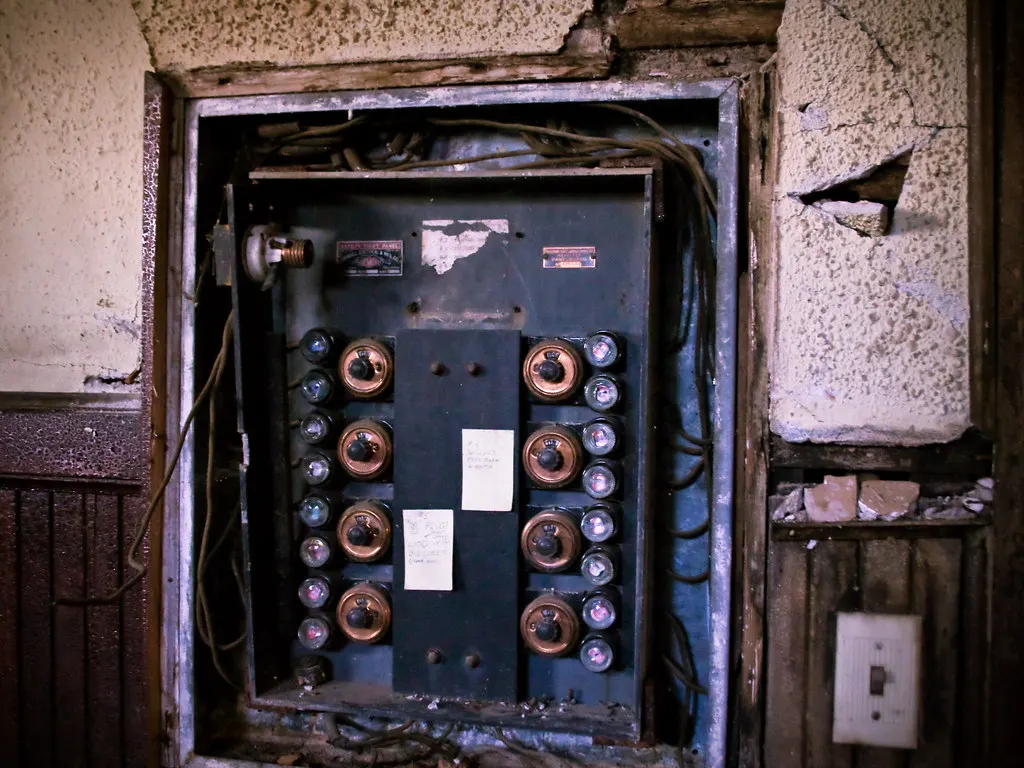
Electrical Panel Upgrade Cost: When You Need One and What to Expect
Signs your electrical panel is outdated or undersized, typical costs to upgrade from 100 to 200 amps, what the job involves, and alternatives like load management.
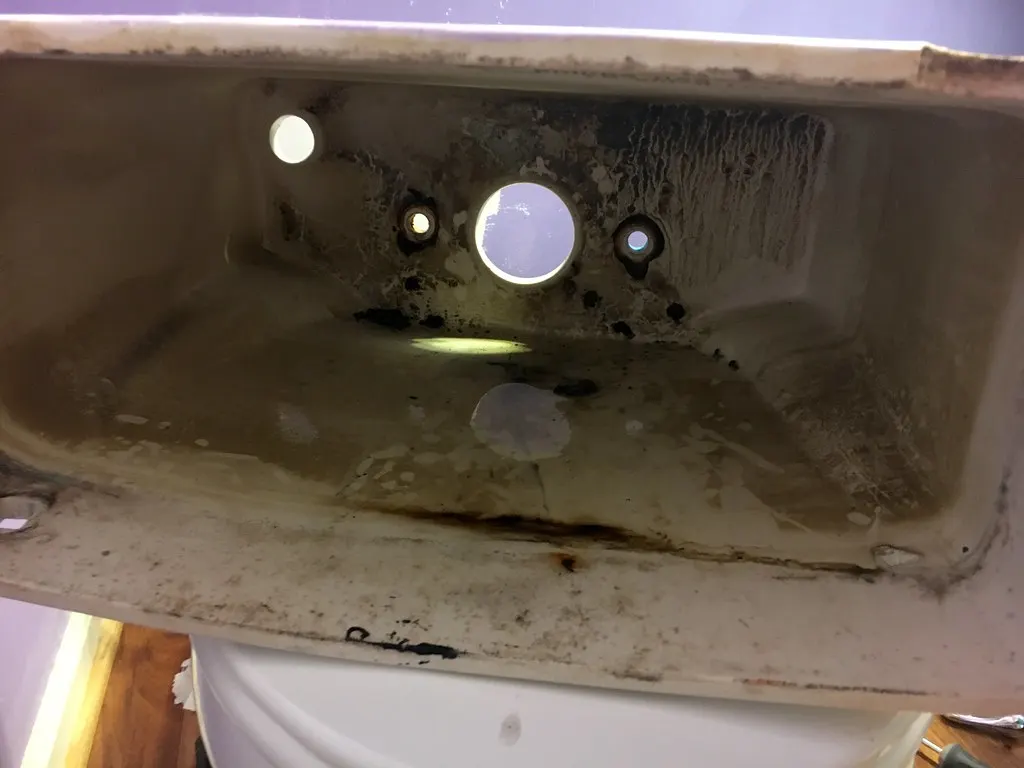
How to Fix a Running Toilet in About 30 Minutes
Find out why your toilet keeps running, test for a leaky flapper with food coloring, and fix the chain, float, flapper or fill valve yourself.
How to Unclog a Drain Without Harsh Chemicals
Step-by-step methods for clearing slow sinks, tubs and showers with hot water, a plunger, a drain snake and the P-trap, plus when the problem is in the main line.