 Hammer & Hoe
Window Replacement Cost: Materials, Energy Ratings and How to Save
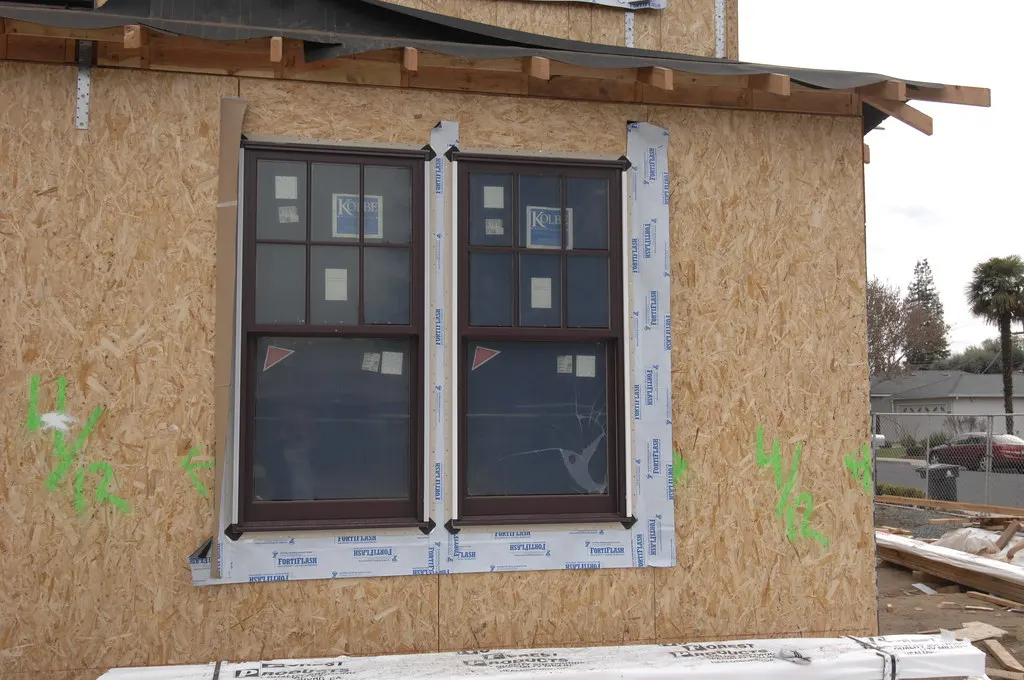
New windows can make a home quieter, more comfortable and easier to heat and cool, but they're a major investment. Prices vary widely depending on material, size, style and installation method, so it pays to understand what you're comparing before collecting quotes.
Typical installed costs
These are broad U.S. ranges for a standard-size double-hung window, including professional installation. Large, custom-shaped or specialty windows cost more.
| Frame material | Typical installed cost per window | Notes |
|---|---|---|
| Vinyl | $500–$1,200 | Most popular; low maintenance, good efficiency |
| Fiberglass | $800–$1,800 | Strong and stable; can be painted |
| Wood or wood-clad | $900–$2,500+ | Classic look; needs more upkeep unless clad |
| Aluminum | $500–$1,300 | Durable but conducts heat; best in mild climates |
Insert vs. full-frame replacement
An insert (pocket) replacement fits a new window into the existing frame. It's faster and cheaper, and the interior and exterior trim usually stays in place, but it slightly reduces the glass area. A full-frame replacement removes everything down to the rough opening. It costs more but lets the installer fix rot, add proper flashing and insulation, and change the size or style. If the existing frames are soft, rotted or out of square, full-frame is the right call.
How to read the energy label
Look for the NFRC label on every window and the ENERGY STAR rating for your climate zone.
- U-factor: how well the window keeps heat in. Lower is better, and it matters most in cold climates.
- Solar heat gain coefficient (SHGC): how much of the sun's heat comes through. Lower is better in hot, sunny climates; a moderate value can help in the North.
- Low-E coatings and gas fills (argon or krypton) between panes improve both numbers. Triple-pane glass costs more but can pay off in very cold regions.
Repair, restore or replace?
Not every drafty window needs replacing. Weatherstripping, new sash cords, glazing putty and storm windows can dramatically improve older wood windows for far less money. Replacement makes more sense when frames are rotted, insulated glass units have failed (you see fog or condensation between the panes that you can't wipe away), or windows no longer open and lock safely.
Ways to save
- Get at least three written quotes for the same product line, quantity and installation type.
- Replace the worst windows first rather than the whole house at once.
- Stick with standard sizes and styles where possible; custom shapes add a lot.
- Ask your utility and state energy office about rebates for ENERGY STAR windows.
- Read the warranty carefully, covering both the product and the installation labor.
Don't expect new windows to pay for themselves quickly through energy savings alone; comfort, noise reduction and curb appeal are part of the value. If drafts are your main concern, start with the low-cost steps in our guide to winterizing your home.
Prices are typical U.S. ranges and vary by region, home and contractor. Always get several local quotes and follow local building codes; hire a licensed professional for electrical, gas and structural work.
Keep reading
Basement Finishing Cost: Budget, Moisture Control and Code Basics
What it typically costs per square foot to finish a basement, why moisture comes first, and the code requirements for ceilings, egress windows and bedrooms.
Bathroom Remodel Cost: What to Budget for a Refresh, Mid-Range or Luxury Bath
Typical U.S. costs for small, mid-range and upscale bathroom remodels, where the money goes, what drives the price up, and how to save without cutting corners.
Flooring Cost Comparison: Hardwood vs. Luxury Vinyl vs. Tile vs. Laminate
Installed cost per square foot, durability and water resistance for the most popular flooring types, plus how much extra to order and where each one works best.