 Hammer & Hoe
Siding Replacement Cost: Vinyl, Fiber Cement, Wood and Engineered Wood Compared
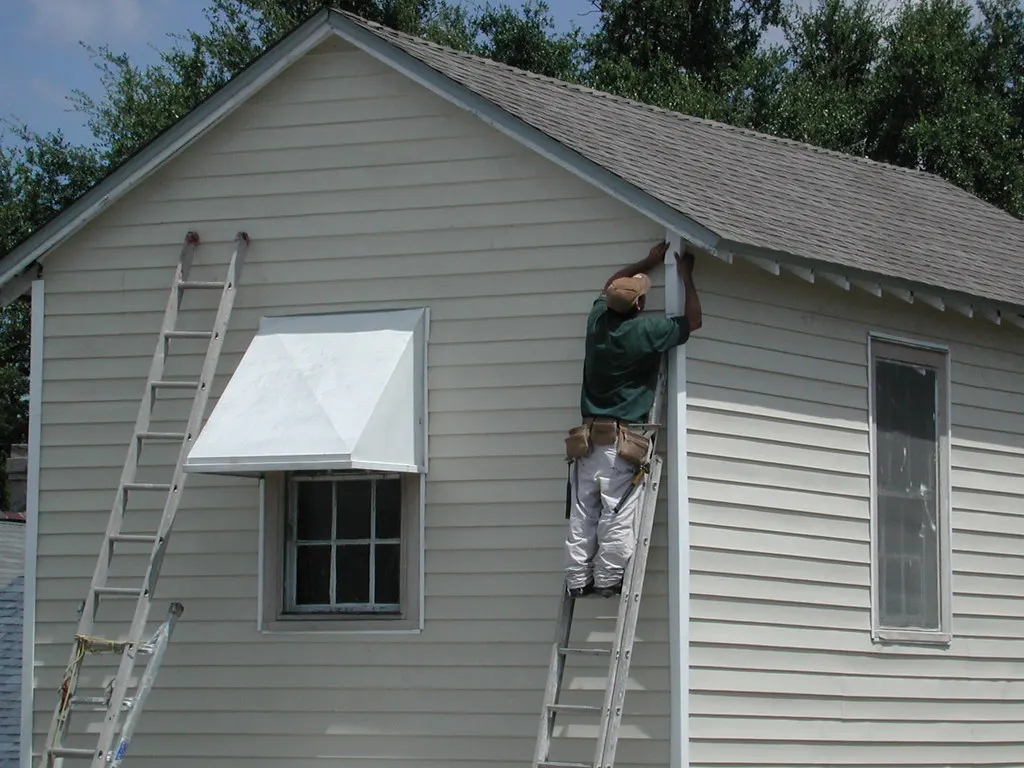
Siding is your home's raincoat. Beyond curb appeal, it keeps water out of the walls, so failing siding can lead to rot, mold and pest problems that cost far more than the siding itself.
Typical installed costs
Siding is priced per square foot of wall, or per "square" (100 square feet). A typical single-family home has somewhere between 1,500 and 2,500 square feet of siding. The ranges below include removal of the old siding in a typical job.
| Material | Per sq ft installed | Typical whole-house cost | Lifespan |
|---|---|---|---|
| Vinyl | $4–$9 | $8,000–$20,000 | 20–40 years |
| Engineered wood | $5–$11 | $10,000–$25,000 | 20–30+ years |
| Fiber cement | $6–$14 | $12,000–$30,000 | 30–50 years |
| Wood (cedar) | $7–$15+ | $14,000–$35,000+ | 20–40 years with upkeep |
Two-story homes, steep lots, lots of corners and windows, and premium trim packages all increase labor costs.
How the materials compare
- Vinyl: the most affordable and lowest maintenance. Quality varies a lot by thickness; cheap vinyl can crack in cold weather or warp near heat sources.
- Fiber cement: heavy, durable, fire resistant and good at resisting pests and rot. It needs repainting every 10 to 15 years, though factory-finished boards last longer.
- Engineered wood: lighter and easier to install than fiber cement with a real-wood look; needs proper installation and paint to resist moisture.
- Wood: beautiful and traditional, but it needs regular painting or staining and is vulnerable to rot and insects.
Signs you need repair or replacement
- Soft, rotting or crumbling boards, especially near the ground, windows and roof lines.
- Warped, buckled, cracked or loose panels.
- Peeling paint inside the house on exterior walls, or water stains on interior walls.
- Mold or mildew coming through seams.
- Paint that fails every couple of years on wood siding.
Small areas of damage can often be repaired by replacing individual boards. Replacement makes sense when damage is widespread or the siding is near the end of its life.
What a good installation includes
Ask every bidder how they'll handle the weather-resistive barrier (house wrap) and flashing around windows, doors and the roof line, because that's where most water gets in. Fiber cement and engineered wood should be installed according to the manufacturer's instructions to keep the warranty valid. If your home was built before 1978, the old paint may contain lead; removal must follow the EPA's lead-safe practices.
Ways to save
- Get at least three bids that specify the same material, thickness, trim and house wrap.
- Schedule work in the off-season, when contractors may be less busy.
- Pair siding with window replacement if both are due, so the flashing can be done once.
- Check that your homeowners insurance covers storm damage if hail or wind caused the problem.
Prices are typical U.S. ranges and vary by region, home and contractor. Always get several local quotes and follow local building codes; hire a licensed professional for electrical, gas and structural work.
Keep reading
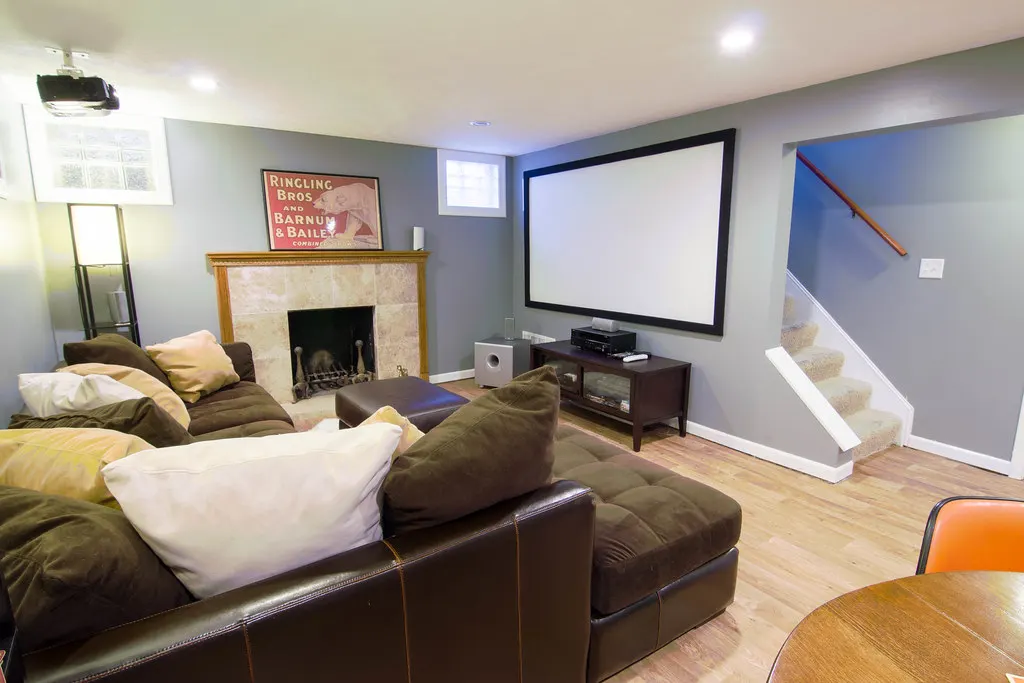
Basement Finishing Cost: Budget, Moisture Control and Code Basics
What it typically costs per square foot to finish a basement, why moisture comes first, and the code requirements for ceilings, egress windows and bedrooms.
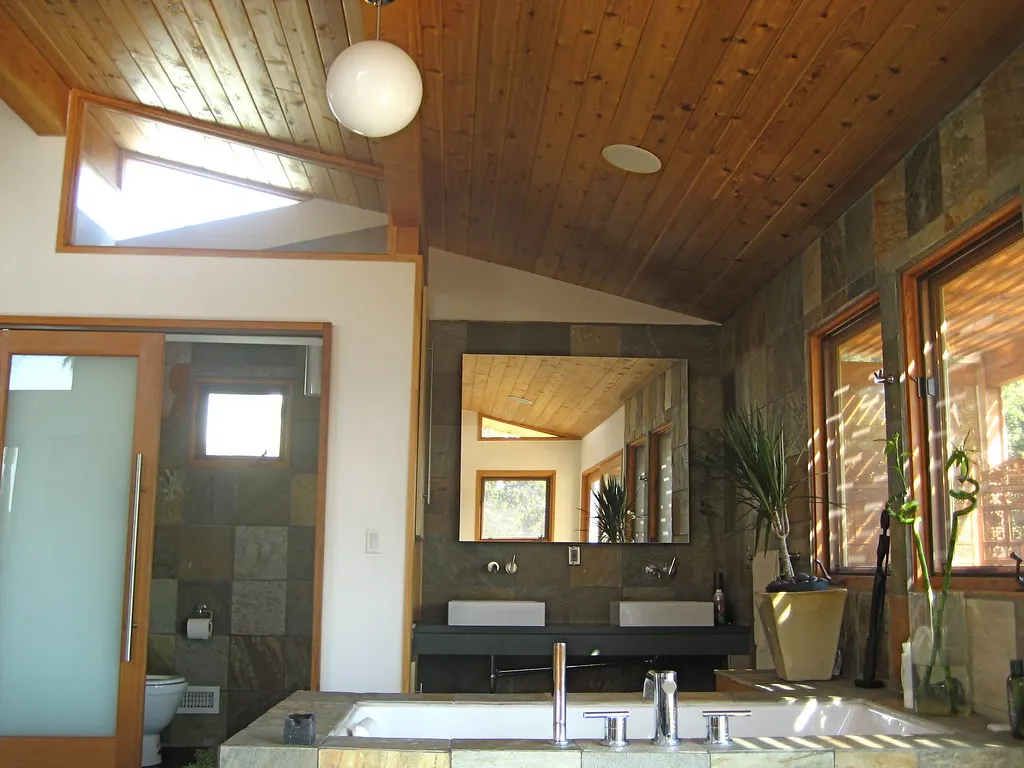
Bathroom Remodel Cost: What to Budget for a Refresh, Mid-Range or Luxury Bath
Typical U.S. costs for small, mid-range and upscale bathroom remodels, where the money goes, what drives the price up, and how to save without cutting corners.
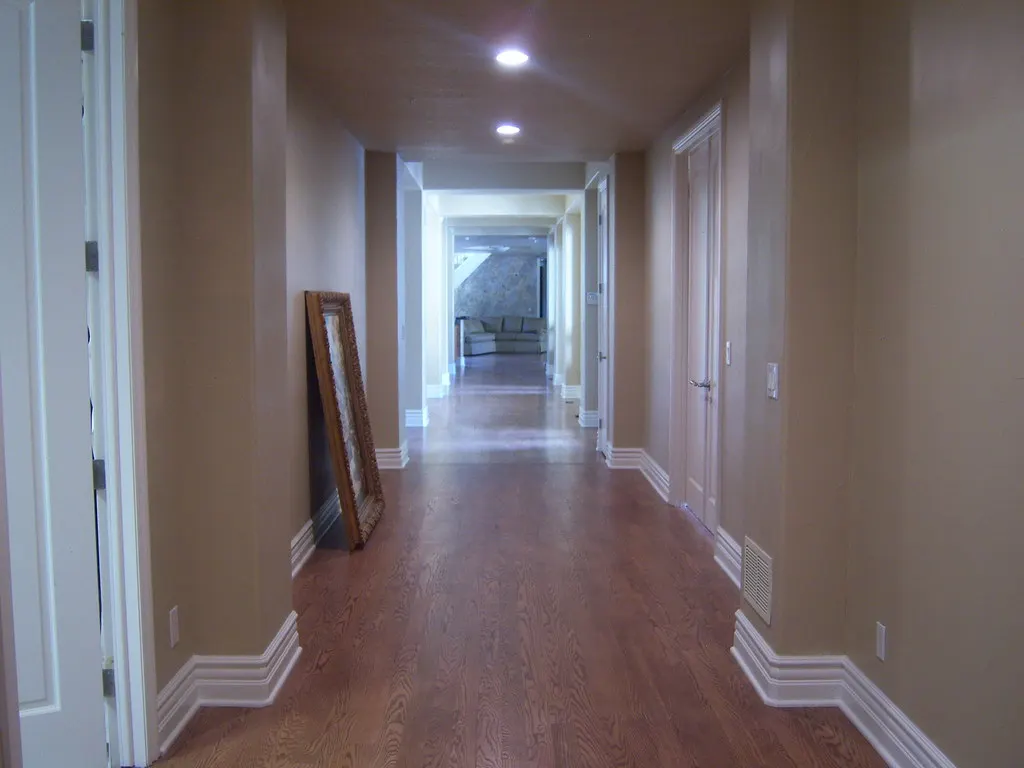
Flooring Cost Comparison: Hardwood vs. Luxury Vinyl vs. Tile vs. Laminate
Installed cost per square foot, durability and water resistance for the most popular flooring types, plus how much extra to order and where each one works best.