 Hammer & Hoe
How to Get Rid of Aphids Naturally (Without Harming Beneficial Insects)
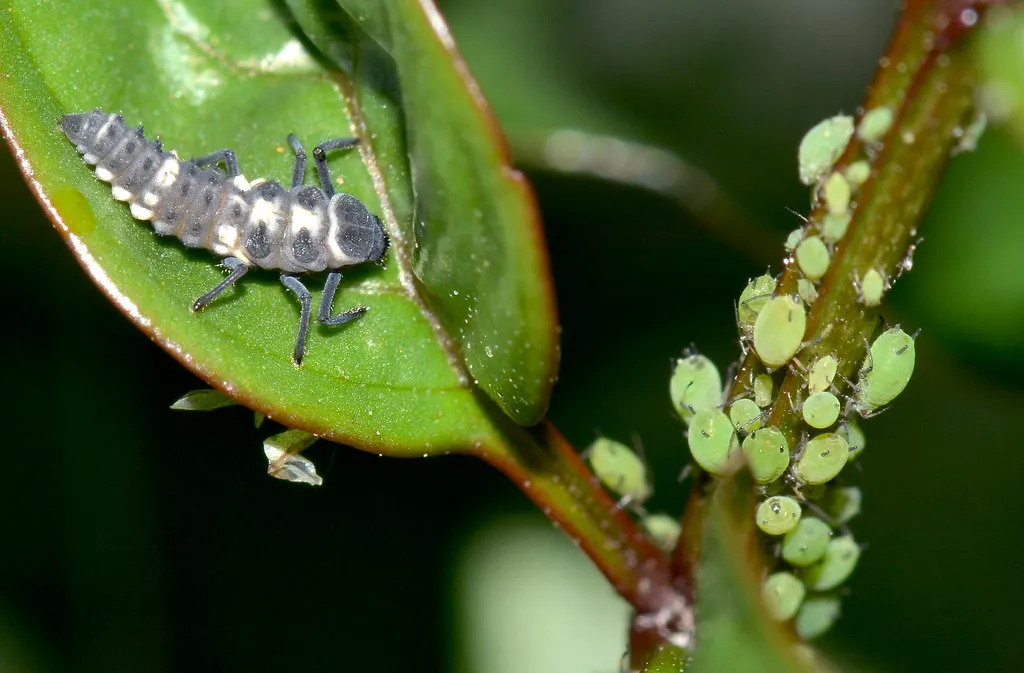
Aphids are among the most common garden pests, but they're also among the easiest to control without harsh chemicals. A healthy garden usually keeps them in check on its own; your job is to tip the balance back when numbers spike.
How to recognize aphids
Aphids are tiny, soft-bodied insects, usually green, black, gray or yellow, that cluster on new growth and the undersides of leaves. Signs include curled or distorted leaves, a sticky residue called honeydew, black sooty mold growing on that residue, and ants marching up and down stems. Ants "farm" aphids for their honeydew and protect them from predators, so lots of ants on a plant is a clue to look closer.
Step 1: Blast them off with water
A strong spray from the hose knocks most aphids off the plant, and few manage to climb back. Spray in the morning so leaves dry quickly, and repeat every two or three days for a week. On delicate plants, simply wipe or pinch off heavily infested tips.
Step 2: Insecticidal soap or horticultural oil
If water isn't enough, use an insecticidal soap or a horticultural oil such as neem oil, following the label. These work only on contact, so coat the undersides of leaves where aphids hide, and repeat as directed. To protect plants and pollinators:
- Test on a few leaves first and wait a day to check for damage.
- Don't spray in direct hot sun or when temperatures are above about 90°F.
- Spray in the early morning or evening, when bees aren't active, and avoid open flowers.
Homemade dish-soap sprays are popular but riskier: many modern dish detergents contain degreasers that can burn leaves. A product labeled for plants is safer.
Step 3: Bring in the predators
Ladybugs and their larvae, lacewing larvae, hoverfly larvae and tiny parasitic wasps all eat aphids by the hundreds. Encourage them by:
- Avoiding broad-spectrum insecticides, which kill predators faster than pests.
- Planting small-flowered plants such as dill, fennel, yarrow, sweet alyssum and cilantro allowed to bloom.
- Tolerating a few aphids: predators need something to eat to stick around.
Buying ladybugs online sounds appealing, but most fly away within a day or two of release. Attracting your own is more effective.
Prevention
- Go easy on nitrogen fertilizer. Lush, soft new growth is exactly what aphids love.
- Check plants weekly, especially new shoots and leaf undersides, so you catch colonies early.
- Control ants on affected plants with sticky barriers on woody stems or ant baits placed nearby.
- Use row covers on young brassicas and greens until they're established.
Aphids also show up on indoor plants; the same water-and-soap approach works there. See our houseplant care guide for keeping indoor plants healthy enough to shrug off pests.
Prices are typical U.S. ranges and vary by region, home and contractor. Always get several local quotes and follow local building codes; hire a licensed professional for electrical, gas and structural work.
Keep reading
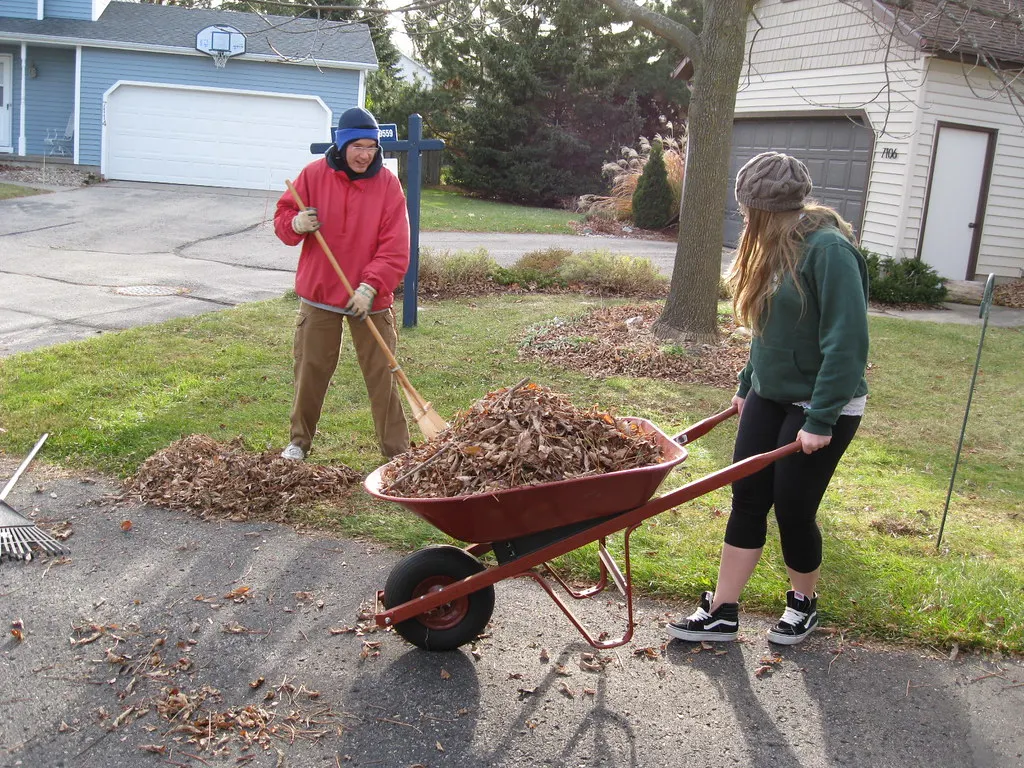
Fall Garden Cleanup Checklist: What to Do Before Winter (and What to Skip)
A practical fall checklist for vegetable beds, perennials, lawns and tools, including what to leave standing for pollinators and birds.

How to Plant Spring Bulbs in Fall for a Garden Full of Color
When to plant tulips, daffodils and crocuses, how deep to set them, how to keep squirrels away, and what to do in warm climates where bulbs need chilling.
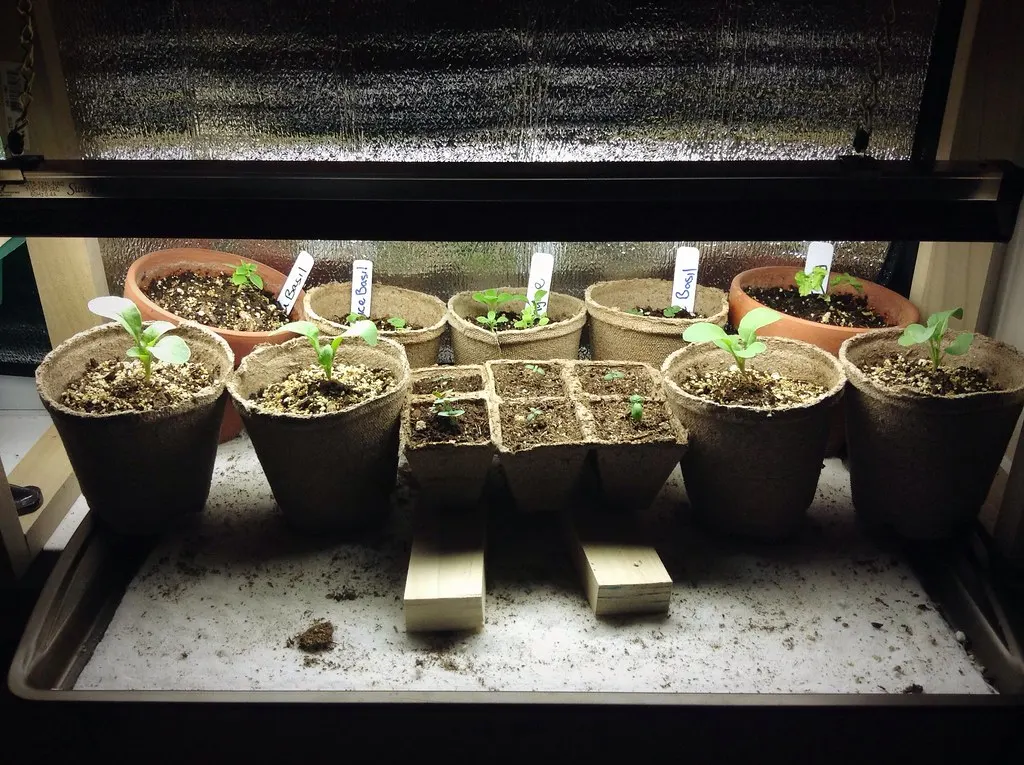
How to Start Seeds Indoors: A Beginner's Step-by-Step Guide
When to sow, what mix and lights to use, how to avoid leggy seedlings and damping off, and how to harden off transplants before moving them outside.